
01 / Article
PRP for Knee Osteoarthritis in St. Petersburg: Candidates, Sessions, Rehab
Learn who qualifies, how many visits you may need, and how rehab boosts results with PRP therapy in St. Petersburg for knee osteoarthritis
6 min read

Find Relief From Knee Pain Without Surgery
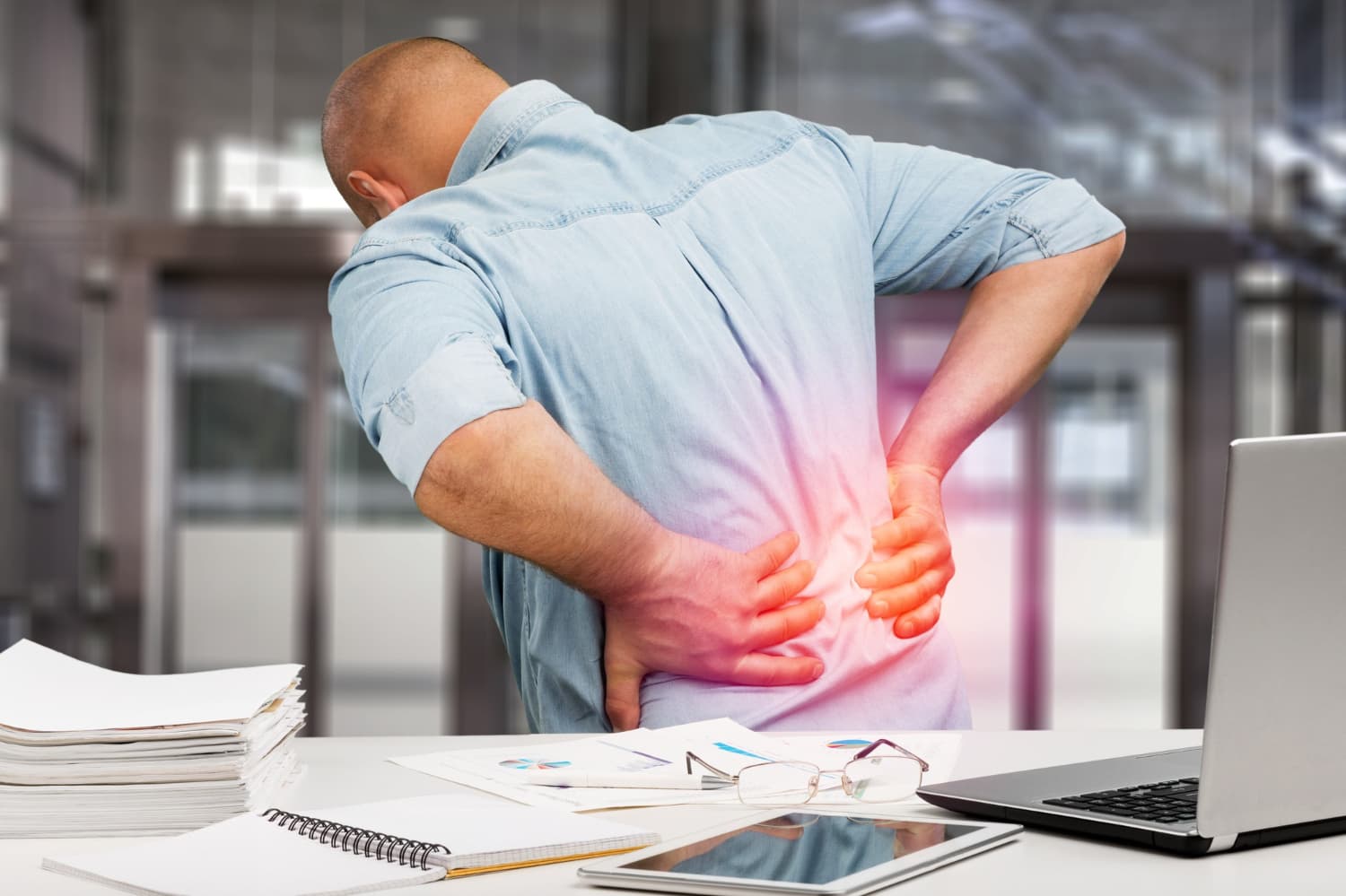
Knee osteoarthritis can turn simple things into a struggle. Walking the St. Pete Pier, climbing stairs to a favorite lookout, or playing a friendly game of pickleball can all start to feel harder than they should. The knee joint gets stiff and achy, and it may swell or feel sore after even light activity.
Platelet-rich plasma, or PRP, is one nonsurgical option many people ask about when they want to stay active without rushing into knee replacement. PRP uses a small sample of your own blood that is prepared, then injected into the knee to support healing and help calm pain. Here, we will explain who tends to be a good fit for PRP therapy in St. Petersburg, how many sessions people often need, and why a smart rehab plan is such a big part of better results.
How PRP Works for Arthritic Knees
PRP is made from your own blood. Your blood has red blood cells, white blood cells, and platelets. Platelets are tiny cells that help with clotting and also carry growth factors that support natural repair. With PRP, we take these platelets and concentrate them into a smaller, richer sample.
For knee osteoarthritis, PRP may help by:
- Calming irritation inside the joint
- Supporting the body’s own repair process in cartilage and other tissues
- Helping the surrounding tendons and ligaments feel and move better
At our clinic, a typical PRP visit usually includes:
- A brief check of your knee, medical history, and current symptoms
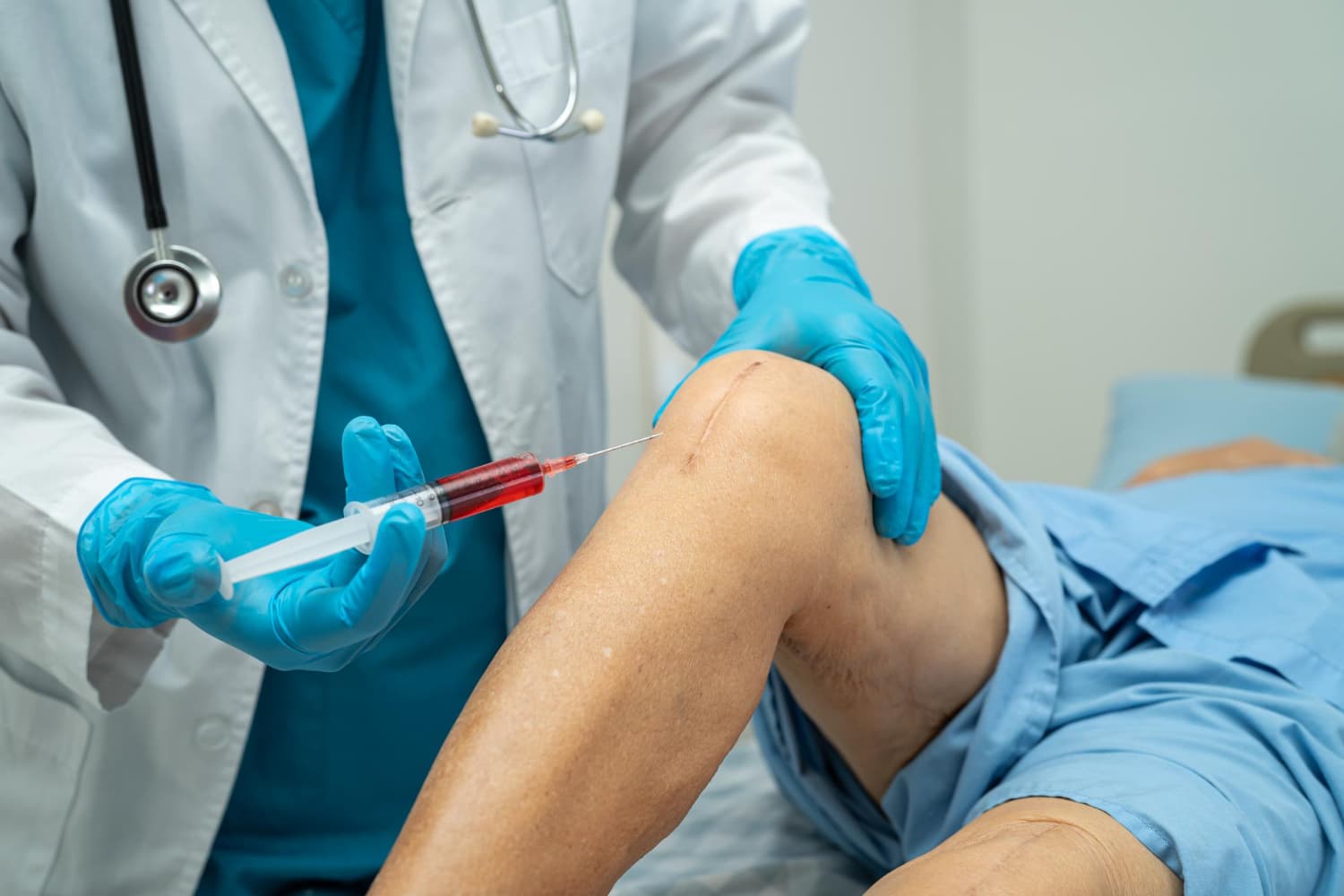
- A blood draw from your arm, similar to standard lab work
- Spinning the blood in a centrifuge to separate the concentrated platelets
- Preparing the PRP and using ultrasound guidance to place the injection into the knee joint
After the injection, most people rest in the office for a short time, then go home the same day. There can be some soreness or a heavy feeling in the knee, which is expected. We give detailed instructions on how to care for the knee over the next few days and what activities to avoid.
Who Is a Good Candidate for PRP Knee Therapy
PRP is not right for every person with knee pain, but it can be a good option for many who want to stay active in St. Petersburg without surgery.
People who often do well with PRP for knee osteoarthritis usually have:
- Mild to moderate osteoarthritis rather than advanced, bone-on-bone changes
- Ongoing pain or stiffness even after rest, simple exercises, or basic medications
- A strong desire to keep walking, golfing, playing pickleball, or enjoying beach walks without jumping straight to joint replacement
We also look at health and lifestyle factors such as:
- Age and biological health, not just the number on a birthday cake
- Body weight and how much stress is placed on the knees with daily activity
- Activity level and strength in the hips, core, and legs
- Smoking status, since smoking can slow healing
- Medications, especially blood thinners and long-term anti-inflammatory use
Some people may not be good candidates, including those with:
- Very advanced bone-on-bone osteoarthritis where joint space is almost gone
- Uncontrolled medical conditions, such as serious heart or blood problems
- Active infections or open wounds
- A hope that one quick injection will fix everything overnight
We talk through these factors with each person to see if PRP therapy in St. Petersburg is a reasonable path or if other options make more sense first.
How Many PRP Sessions to Expect and When to See Results
Most people do not get their best result from a single PRP injection. A common plan is a series of 2 or 3 sessions spaced several weeks apart. The exact number can change based on how your knee looks, how long you have had symptoms, and what your goals are.
General timelines often look like this:
- In the first few days, the knee may be more sore or swollen
- In the first few weeks, some people start to notice less morning stiffness or easier walking
- Over 3 to 6 months, many notice bigger changes in function, like taking stairs with less pain or standing longer without aching
The number of sessions and how quickly you see change can depend on:
- Stage of osteoarthritis
- Body weight and how much load the knee carries all day
- Old injuries or surgeries that may have changed how the joint moves
- How closely you follow the rehab plan
- Whether PRP is combined with other care, such as chiropractic treatment or spinal decompression when low back or hip issues are affecting how you walk
The goal is not just a “good day” here and there. We want steadier progress that adds up over time.
How Rehab and Lifestyle Choices Shape PRP Results
PRP is one part of the picture. What you do before and after treatment matters a lot for how your knee feels long term. A guided rehab plan helps you build strength and better movement patterns as the joint responds to PRP.
A helpful rehab plan can include:
- Targeted physical therapy for knee, hip, and core strength
- Gentle range-of-motion work to keep the joint from getting stiff
- Balance and stability training to protect the joint during daily activity
- Joint-friendly strength exercises using bands, machines, or body weight
At our clinic, we may also suggest care such as chiropractic adjustments, soft tissue work, or posture training. When the spine, hips, and feet move better, there is often less uneven stress on the knees. For active people in St. Petersburg, this can be the difference between feeling sore after every walk along the water and being able to enjoy those outings more often.
Lifestyle choices also play a big part, such as:
- Working toward a healthy weight to ease stress through the knees
- Choosing low-impact activities like swimming, cycling, or walking in cooler morning or evening hours
- Wearing supportive, cushioned shoes for daily walking and sports
- Avoiding deep squats, jumping, or high-impact twisting sports while the knee is healing
Even small changes, repeated often, can support better results over time.
What to Expect From PRP Therapy in St. Petersburg
On the day of PRP treatment, the visit usually feels more like a detailed office procedure than surgery. You come in wearing comfortable clothes, often with shorts or loose pants that can roll above the knee. We review your history, check the joint, and answer any last questions before getting started.
A typical visit includes:
- Check-in and a focused exam of your knee movement and pain points
- Blood draw and PRP preparation
- Cleaning the skin and using ultrasound to guide the injection into the right area
- A short observation period, then going home with clear written instructions
Most people can walk out on their own. There can be soreness or a feeling of fullness in the joint for a few days. We usually suggest:
- Resting the knee for the first 48 to 72 hours
- Using gentle range-of-motion, but avoiding heavy workouts or long walks at first
- Following specific guidance on any medications you should pause or change
Side effects are usually mild and short-term. Because PRP is made from your own blood, the risk of allergic reaction is low. There is still a small risk of infection or bleeding, which is why a clean setting and careful technique are so important.
Many people ask about timing around walking clubs, golf outings, or holiday travel. In general, light daily tasks are often fine quite soon, while more intense or twisting sports may need to wait until the knee has had more time to respond. We help you map out a plan that fits your calendar, your activities, and your long-term goals so you can enjoy more of what you love around St. Petersburg with less knee pain.
Take The Next Step Toward Lasting Pain Relief
If you are ready to explore whether PRP therapy in St. Petersburg is right for you, our team at Suncoast Integrative Healthcare is here to help. We will review your symptoms, discuss your goals, and recommend a personalized treatment plan tailored to your needs. To schedule a visit or ask questions about your options, simply contact us and we will follow up promptly.
Next step
Talk with us about your care
Call (727) 519-3757 or request a visit — our St. Petersburg team is here to help.