
01 / Article
Warning Signs Your Herniated Disc Needs Treatment in St. Petersburg
Learn the key warning signs a herniated disc needs treatment in St. Petersburg and explore non-surgical options like chiropractic care and decompression.
5 min read
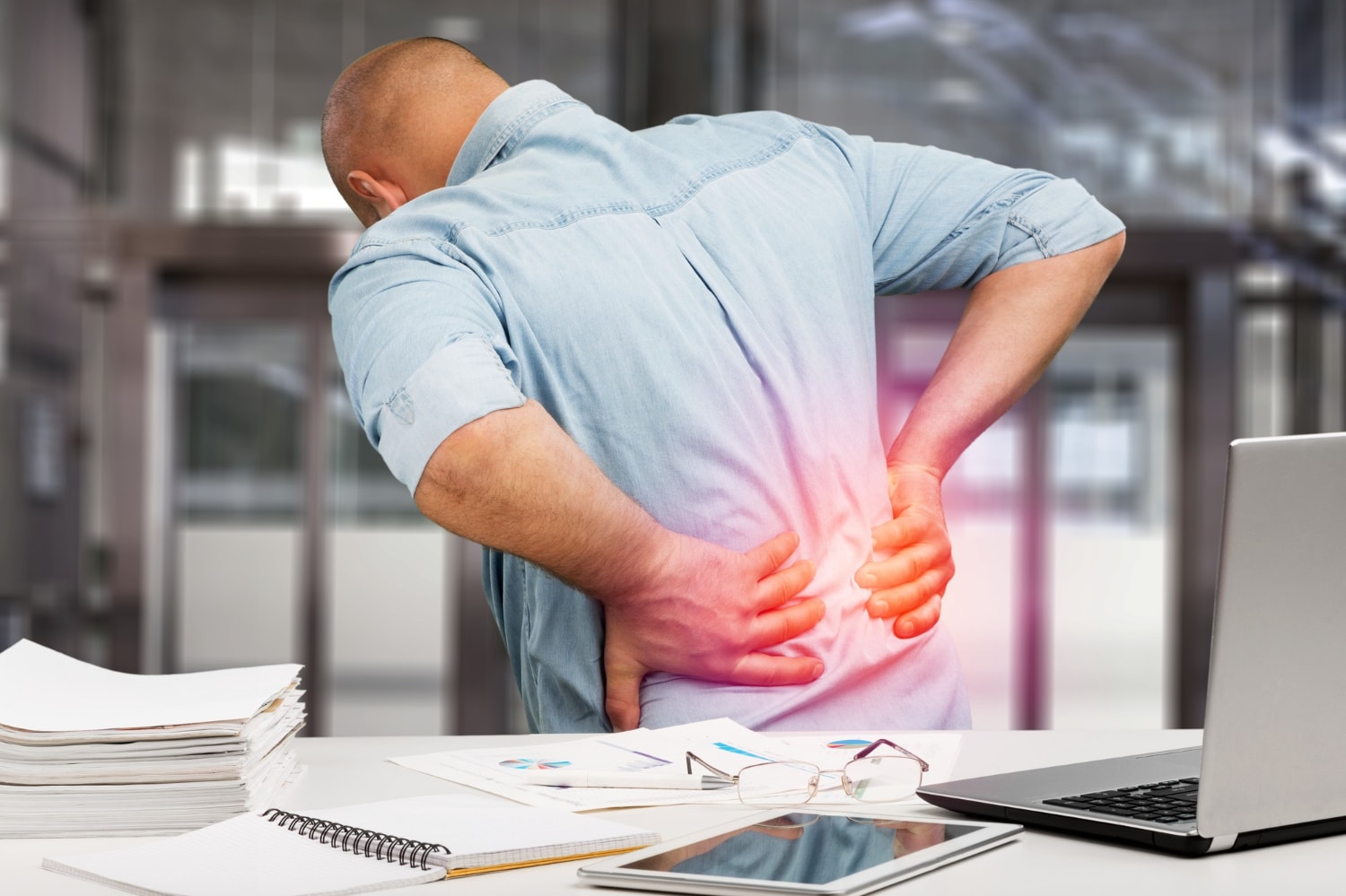
A herniated disc is more than a simple back tweak from a busy weekend. It happens when the soft center of a spinal disc pushes out through the me tougher outer layer, and can irritate or pinch nearby nerves. When that happens, pain and other problems often follow, especially if you stay active and keep pushing through it.
Late summer around St. Petersburg is full of beach days, yard projects, sports, and back-to-school tasks. All of that bending, lifting, and twisting can stress your spine. If a disc is already weak, those activities can turn a small issue into a big one. Paying attention early can help you avoid long-term pain and keep you moving with confidence.
We see many people who thought they just had “regular” back pain but were actually dealing with a herniated disc. Some warning signs are easy to miss at first, but they matter. When a disc presses on a nerve, it is not something to ignore. Getting the right kind of care can help you calm the pain and may help you avoid more aggressive options like surgery.
Subtle Symptoms That Mean It’s More Than a Backache
Not all herniated disc symptoms are loud and dramatic right away. Sometimes they start out as mild but stubborn discomfort that just never seems to leave.
Common early warning signs include:
- Persistent pain in the lower back or neck that hangs around longer than a couple of weeks
- Stiffness after sitting, driving across town, or working at a desk
- Pain that gets worse when you cough, sneeze, bend, or twist
- Trouble getting comfortable when you lie down at night
You might also notice pain that seems to travel instead of staying in one spot. That can be a clue that a nerve is involved. For example, you may feel:
- Pain that starts in your back and moves into your hip or buttock
- Aching or tightness that shows up between your shoulder blades
- Discomfort that runs into the shoulder or upper arm
Around the end of summer, people are often juggling busy schedules. Between school routines, local events, and weekend projects, it is easy to shrug off these signs as normal soreness. The problem is, when a small herniation is left alone and you keep stressing it, the disc can become more irritated and the symptoms can spread or intensify.
When pain keeps returning after activity, or each flare-up feels a little sharper than the last, that is your body telling you something deeper is going on. Listening to those early signals can help you address the disc problem before it affects more areas of your life.
Red Flag Symptoms You Should Never Ignore
Some herniated disc symptoms are louder and more serious. These are the ones that should catch your attention right away.
Stronger warning signs can include:
- Sharp, shooting, or burning pain that travels down the leg, often called sciatica
- Pain that runs from the neck into the arm, forearm, or hand
- Numbness, tingling, or “pins and needles” in the hands, feet, toes, or fingers
- Weakness when you try to lift, carry, or grip objects
You might notice certain movements feel harder than they used to. Signs of nerve compression can show up as:
- Trouble standing on your toes or heels
- Feeling like your foot drags or “drops” when you walk
- A sense that your leg could “give out,” especially when walking longer distances at local parks, festivals, or along the waterfront
These symptoms can mean a nerve is being pressed or irritated more strongly. When nerves are involved, time matters. The longer the pressure stays there, the more risk there is for ongoing weakness or changes in sensation.
There are also serious emergency signs that should never wait on a clinic visit. If you notice sudden, severe weakness in the legs, or you lose control of your bowel or bladder, you should seek urgent medical care right away. Those signs can suggest a medical emergency that needs immediate attention.
When Home Care Is Not Enough Anymore
Most people try to handle back or neck pain on their own at first. That is completely normal. Common home approaches include:
- Resting for a few days and avoiding heavy lifting
- Using ice or heat for comfort
- Taking over-the-counter pain relievers
- Trying stretches or exercises you find online
These steps might bring short-term relief, but they do not always correct what is happening at the disc level. It may be time to look for professional herniated disc treatment in St. Petersburg if you notice:
- Pain or stiffness that lasts longer than 2 to 4 weeks
- Symptoms that keep you from sleeping through the night
- Needing medication more often just to get through regular daily tasks
- Pain that returns every time you increase your activity, walk farther, or spend more time in the car or at your desk
As routines shift into fall, people often spend more time sitting in traffic, working at computers, or traveling. Long periods of sitting can place extra stress on herniated discs and the nerves around them. Getting your spine checked before your schedule fills up with holidays and travel can help protect your comfort and mobility.
How Natural, Non-Surgical Care Can Support Healing
When you visit a clinic that works with herniated discs often, the goal is to understand exactly what is going on, not just chase the pain. At our office, we start with a detailed consultation where we listen to your history, what makes the pain better or worse, and how it affects your day. We then perform physical and neurological exams to check your movement, reflexes, muscle strength, and areas of numbness or tingling. When appropriate, we review imaging, such as X-rays or other studies, to help pinpoint which disc levels and nerves may be involved.
From there, a non-surgical plan can draw from several options, based on your findings and goals. Common tools for herniated disc care include:
- Chiropractic adjustments to help improve joint alignment and motion in the spine
- Spinal decompression therapy that gently stretches the spine to reduce pressure on the discs
- Regenerative medicine options that are designed to support the body’s natural healing responses
- Custom rehab exercises focused on core strength and stability to better support your spine
The focus is on drug-free care that respects how your body works. Instead of masking symptoms, the aim is to help reduce pressure on the irritated disc and nerve, improve function, and guide you in safer ways to move. Over time, many people are able to return to walking, working, caring for family, and enjoying outdoor activities with more ease and confidence.
At Suncoast Integrative Healthcare in St. Petersburg, we build care plans around each person’s condition, lifestyle, and goals. Some need gentle, early-phase pain relief. Others are ready to work on strength and prevention. Either way, the attention is on your long-term spine health, not just getting through the next weekend project or beach day.
Relieve Disc Pain And Get Back To What You Love
If a herniated disc is making everyday activities painful, we are here to help you find effective, personalized relief. At Suncoast Integrative Healthcare, we provide comprehensive herniated disc treatment in St. Petersburg designed to address the root cause of your discomfort and support long-term healing. Reach out today through our contact page so we can discuss your symptoms, answer your questions, and recommend your next best step toward feeling better.



Next step
Talk with us about your care
Call (727) 519-3757 or request a visit — our St. Petersburg team is here to help.