
01 / Article
Common Whiplash Treatment Mistakes St. Petersburg Drivers Make
Learn the most common recovery missteps and how to heal faster with whiplash treatment in St. Petersburg after an auto accident without surgery
7 min read
Don’t Let a “Minor” Crash Become Major Neck Pain
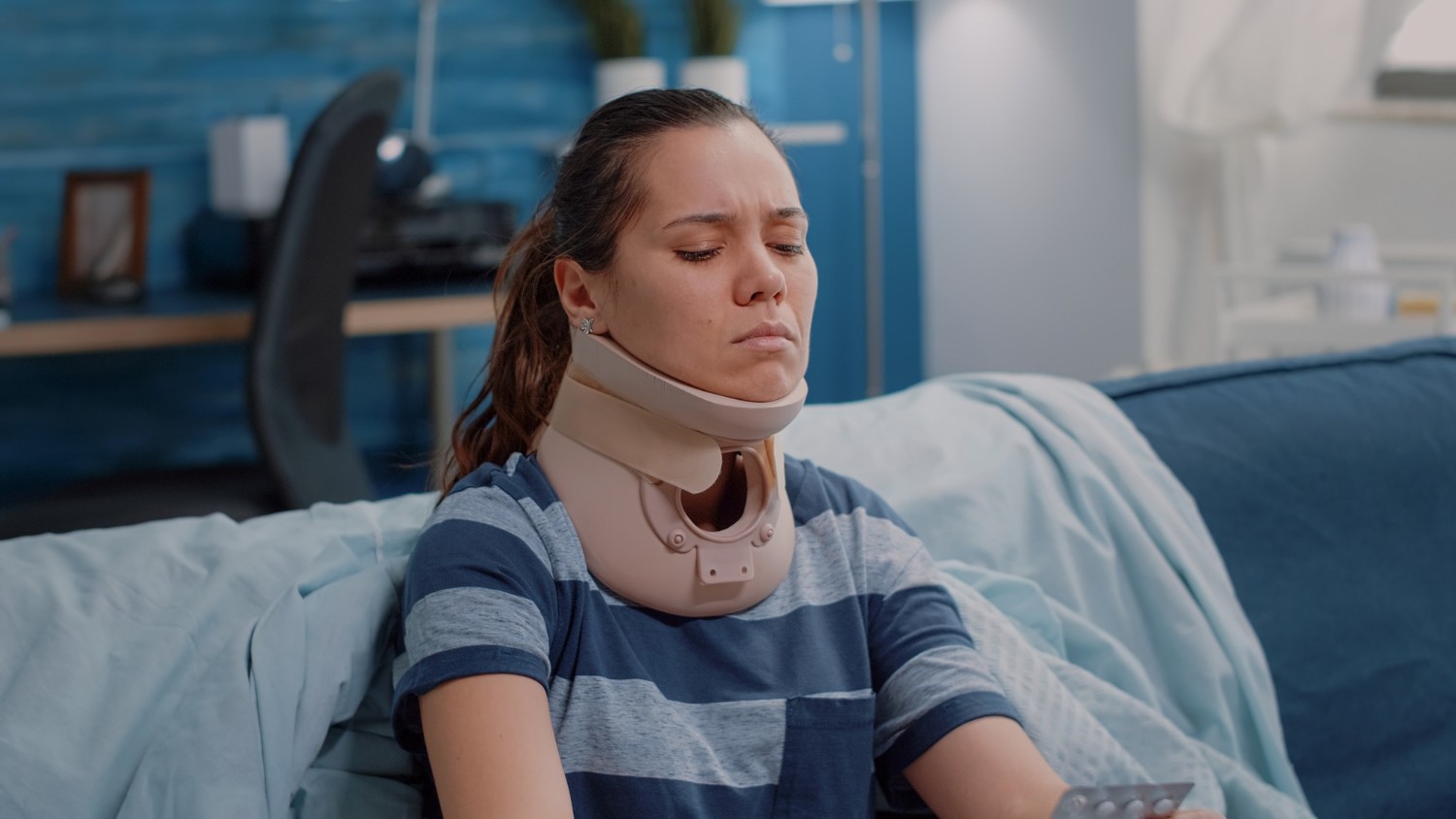
Whiplash after a car crash can sneak up on you. Many St. Petersburg drivers get hit in slow tourist traffic, step out of the car, move their neck a little, and think, “I feel fine.” Then a few days later, the neck gets stiff, headaches start, and looking over the shoulder to change lanes feels almost impossible. Whiplash happens when the head snaps forward and backward quickly. That movement can strain muscles, stretch ligaments, irritate joints, and stress the discs and nerves in your neck, even in a low-speed bump. Symptoms like neck pain, tightness, headaches, dizziness, tingling, and fatigue often show up hours or days later, not right away. The truth is, the biggest problems with whiplash usually come from what happens after the crash, not just from the crash itself. The choices you make about rest, care, and follow-up can decide whether you heal well or deal with neck pain for a long time. With holiday traffic, visitors, and more cars on the road around St. Petersburg, it is especially smart to know the common whiplash treatment mistakes and how to avoid them.
Mistake 1: Assuming Rest Is All You Need
Many drivers think, “It was just a little fender bender, I will rest and I will be fine.” They lie on the couch, use ice a few times, and wait for the neck pain to magically disappear. When pain is mild at first, this can feel like the safest choice, but it can slow down healing. Too much rest for too long can lead to new problems: • Muscles get weaker and tighter • Joints lose normal motion and stiffen • Inflammation hangs around longer • Posture gets worse, especially if you sit slouched on the couch There is a big difference between short, early rest and long-term avoidance. A brief period of taking it easy in the first day or two can be helpful. But after that, hiding from all movement for weeks can make your neck less stable and more sensitive. Modern whiplash care focuses on gentle, guided motion as early as it is safe. This can include: • Light stretching within a pain-free range • Careful posture changes at work and when driving • Simple, specific exercises that help muscles support the neck An integrative care team can help build a plan that fits your life. That means your work schedule, time in the car, and holiday events are all part of the plan instead of just hearing, “Do not move and stay home.”
Mistake 2: Ignoring Care When Pain Seems Mild
Right after a crash, adrenaline is high. You might feel shaky but “okay,” so you skip the ER, refuse care at the scene, and tell yourself you will deal with it later. The problem is that whiplash often gets worse over days and even weeks as swelling builds and tight muscles start to pull on the joints. When people “tough it out,” they can end up with: • Recurring headaches • Limited neck movement • Nerve irritation with tingling or burning • Jaw discomfort from tight neck and face muscles • Shoulder or arm pain linked to neck issues A proper whiplash exam can catch these problems early and give you a clear plan. That kind of exam usually includes: • A detailed history of the crash, including how your head and body moved • Neck and upper back motion testing • Basic neurological checks, like reflexes and sensation • A look at posture, including how you sit and stand • Imaging, such as X-rays, only when they are truly needed Early evaluation does more than protect your health. It also creates a record in case symptoms grow later and you need to explain how they started.
Mistake 3: Relying Only on Pain Pills or Braces
A very common path after a crash looks like this: a quick urgent care visit, a prescription or over-the-counter pain reliever, maybe a muscle relaxer, and sometimes a soft neck brace. Then you go home with no long-term plan. Pain medications can reduce discomfort, which feels helpful, but they do not correct the way your neck is moving or healing. If the underlying mechanics stay off, you can develop: • Stiff, locked joints in the neck • Muscle imbalance, with some muscles too tight and others too weak • Thick, sticky scar tissue that limits motion Neck braces can have similar issues when used too much. Short-term use may be appropriate in some cases, but wearing a collar longer than recommended can lead to weaker neck muscles and slower recovery. Your body starts to depend on the brace instead of learning to support itself again. Drug-free options can play a big role in whiplash recovery. These can include chiropractic adjustments to help restore normal motion, soft tissue therapies to address tight muscles and scar tissue, and gentle rehab exercises to support and stabilize the neck. Medications and braces may still have a place, but they work best as part of a bigger plan that aims to correct the problem, not just cover it up.
Mistake 4: Skipping Specialized Integrative Care
Many people only see one type of provider after a crash. They might go to the ER to make sure nothing is broken, then never follow up with anyone who focuses on the spine or soft tissues. Or they see a primary care office that checks them quickly and sends them home with pills. Integrative whiplash care brings different non-surgical options together in one plan. Depending on your needs, that can look like: • Chiropractic care to improve joint motion and alignment • Spinal decompression when discs are irritated • Laser or shockwave therapy to support soft tissue healing • Guided rehab to retrain muscles and protect the neck When these treatments are combined in a thoughtful way, they can support tissue repair, help calm inflammation, and reduce the chance that pain will stick around or flare up with small stresses. Good care also looks beyond just the neck, because a crash can affect the shoulders, mid-back, and even the low back at the same time. Local providers who work with St. Petersburg drivers often see the same injury patterns from stop-and-go beach traffic, bridge driving, and holiday congestion. That experience can help shape a more targeted plan.
Mistake 5: Stopping Care as Soon as You Feel Better
Around the holidays, schedules get full. Once drivers can turn their head enough to back out of a parking spot or make it through a workday, they often cancel the rest of their visits. The pain is better, so the problem must be gone, right? Pain relief is only one part of healing. Under the surface, your body may still be repairing tissues and working to stabilize the joints. If care stops too soon, the neck can stay weak and easier to irritate. That is when small things start to trigger flare-ups, like: • Long drives over the bridge or through traffic • A poor night’s sleep in an awkward position • Hours at a computer or looking down at a phone Recovery usually moves through a few phases: first, calming pain, then improving movement, then building strength and stability, and finally, keeping things under control with occasional care if needed. Following through on the plan gives your body a better chance to heal in a way that lasts, instead of chasing the same neck pain over and over in the months after the accident.
How Suncoast Integrative Healthcare Helps St. Pete Drivers Heal Right
At Suncoast Integrative Healthcare, we see how common these whiplash mistakes are for St. Petersburg drivers, especially around busy travel times. Our goal is to help you avoid them with prompt evaluation, active care instead of just rest, limited focus on medications, and a complete plan that looks beyond short-term relief. We offer non-surgical options that can be helpful for whiplash, including chiropractic adjustments, spinal decompression for disc-related problems, laser therapy, shockwave therapy, and regenerative medicine when appropriate. Each plan is personalized around your body, your neck, your daily habits, and your schedule, whether you are commuting, caring for family, or getting ready for holiday events. By addressing the real causes of your pain instead of only chasing symptoms, we aim to help you move, work, and drive with more comfort and confidence after a crash.
Start Healing Your Neck Pain After an Accident Today
If you are still feeling the effects of a recent collision, our team at Suncoast Integrative Healthcare is ready to help you find relief with personalized care, including whiplash treatment in St. Petersburg. We focus on restoring your comfort, mobility, and ability to get back to normal daily activities as safely and quickly as possible. To schedule an appointment or ask questions about your symptoms, simply contact us today.



Next step
Talk with us about your care
Call (727) 519-3757 or request a visit — our St. Petersburg team is here to help.