
01 / Article
Everyday Habits That Quietly Worsen Sciatica in St. Petersburg
Learn daily habits that may worsen pain and explore sciatica treatment in St. Petersburg with natural, minimally invasive options for relief and mobility.
6 min read
Everyday Habits That Make Sciatica Pain Last Longer
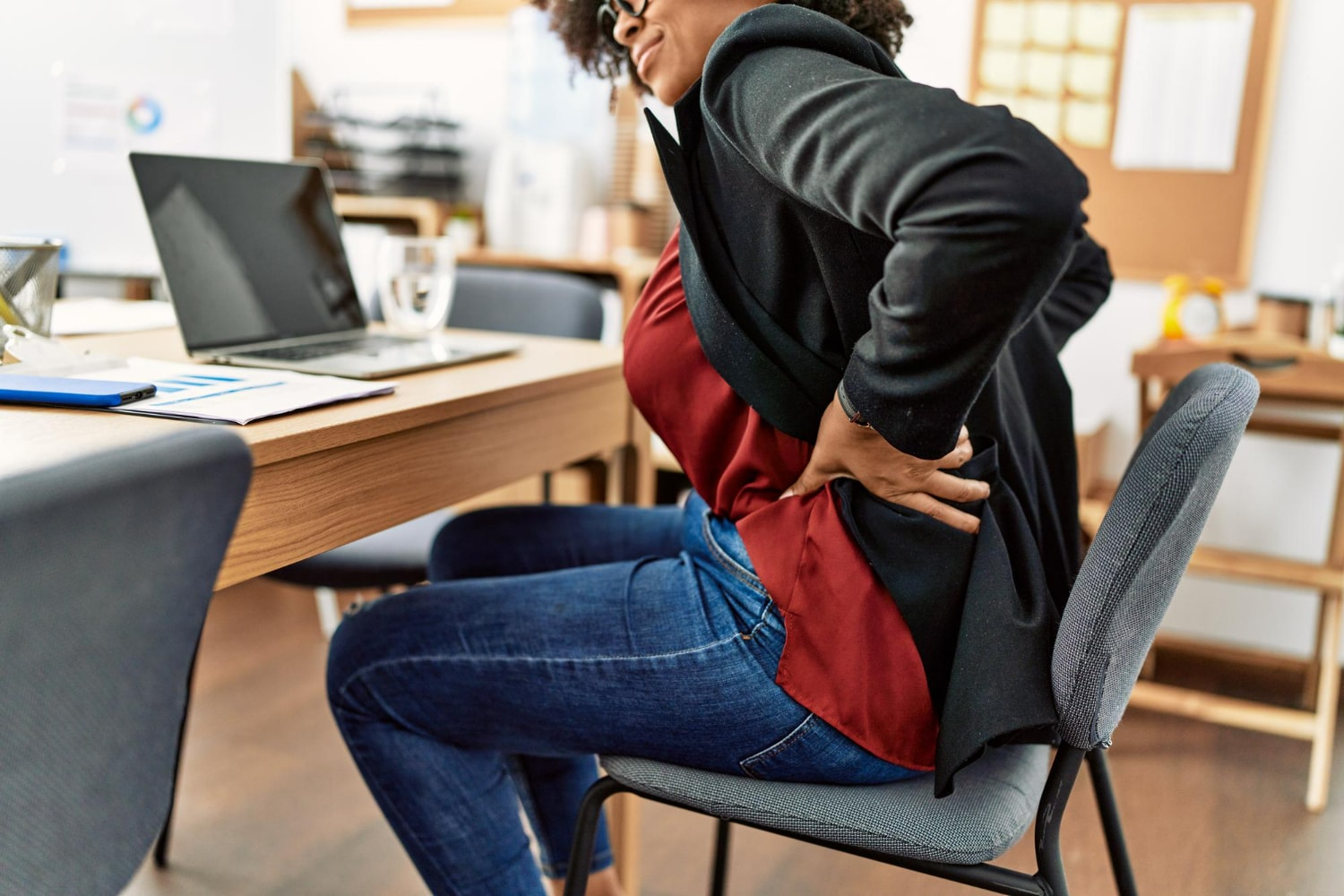
Sciatica can make simple things like getting out of bed or driving across town feel hard. It usually shows up as sharp or burning pain that starts in the lower back or hip and travels down one leg. Some people also notice numbness, tingling, or even weakness in the leg or foot.
What many people do not realize is that everyday habits can quietly keep that pain going. The way we sit, drive, sleep, and even relax can put extra stress on the sciatic nerve and slow down healing. When we start to change those routines and get the right sciatica treatment in St. Petersburg, flare-ups often happen less and movement feels easier, so it is simpler to stay active through the long summer days.
Sciatica is often linked to irritation of the nerve roots in the lower back. That irritation can come from disc problems, joint issues, tight muscles, or a mix of all three. Small changes in how you move and rest can take pressure off that area and support the care you get from a professional.
Sitting All Day and Driving Around Town
Long hours in a chair are one of the biggest everyday triggers for sciatic pain. When we sit, the lower back and discs take more pressure than when we stand or walk. Over time, this can compress the discs, tighten the hips and hamstrings, and irritate the sciatic nerve.
In St. Petersburg, it is easy to spend a lot of time seated. Many people:
- Sit at a desk most of the day
- Drive daily on I-275 or across town
- Get stuck in beach-day or game-day traffic
- Wind down at night with TV, gaming, or phone time
All that sitting can lead to stiffness and inflammation. The good news is, there are simple adjustments that often help reduce pressure on the lower back:
- Use a small lumbar-support cushion or a rolled-up towel behind the lower back
- Keep knees slightly lower than hips, not pulled up high toward the chest
- Take standing, walking, or gentle stretch breaks every 30 to 45 minutes
- After long drives or office sessions, walk for a few minutes and stretch the hips and hamstrings
These are not cures, but they are powerful helpers. When habits like these support your spine, other treatment for sciatica usually works better and feels better too.
Poor Posture During Work, Screens, and Sleep
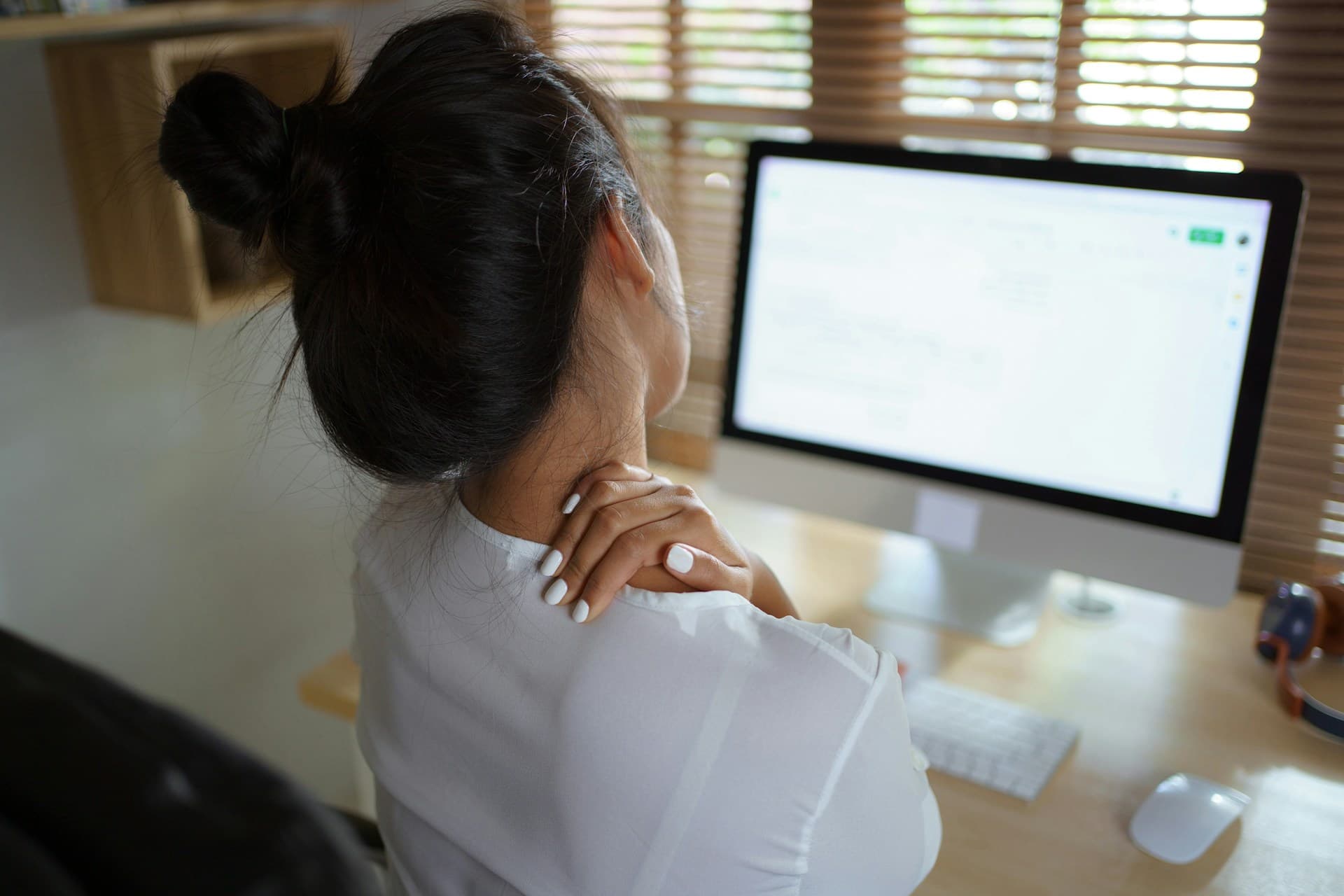
Slouching feels easy in the moment, but it can be hard on your lower back over time. Hunching over a laptop, leaning forward to see a screen, or working from the couch with your spine twisted puts extra strain on the joints and soft tissues around the sciatic nerve.
Common posture habits that can irritate the lower back include:
- Sitting on the edge of a bar stool or soft chair with hips rotated
- Looking down at a phone with the neck bent for long periods
- Reaching forward to a keyboard that is too far away
- Crossing one leg tightly over the other for long stretches
Sleep position matters too. Sleeping on your stomach can twist the spine and neck. Using a very thick pillow can bend the neck and affect the curve of the whole spine, including the lower back. Many people wake up feeling stiff without realizing their sleep posture played a role.
Sciatica-friendly posture and sleep habits can include:
- Keeping ears, shoulders, and hips in a straight line while sitting or standing
- Setting the monitor at eye level and keeping the keyboard close to the body
- Sitting back in the chair with feet flat on the floor and hips level
- Sleeping on your side with a pillow between your knees to keep the spine more neutral
For hybrid and remote workers in St. Petersburg, building a simple, repeatable setup makes a big difference. Even if you work from the kitchen table, a small posture check each day can ease stress on the sciatic nerve.
Overdoing Summer Activities and Skipping Recovery
When June rolls around, many of us in St. Petersburg naturally move more. There is more walking along the water, yardwork, paddleboarding, tennis, golf, and weekend trips. These activities are great, but trouble starts when we go from “mostly sitting” to “all-out weekend warrior” overnight.
Sudden bursts of activity without warm-up or regular conditioning can strain the lower back, hips, and legs. That strain may not hurt right away. Often, sciatic pain shows up a day or two later as a flare-up.
Safer habits for summer activity include:
- Gradually increasing how long and how hard you are active
- Doing a few minutes of dynamic warm-up, like leg swings or gentle hip circles
- Stretching hips, hamstrings, and calves after you finish
- Drinking plenty of water in the Florida heat to support muscles and joints
- Noticing early warning signs like tingling, tightness, or mild pulling and easing off before they become sharp pain
Respecting your limits is not a sign of weakness. It is a smart way to keep doing the activities you enjoy with less time stuck on the couch after.
Ignoring Core Strength, Flexibility, and Healthy Weight
Your core and glutes work like a natural support system for your spine. When these muscles are weak, the lower back has to take on more load with every step, bend, or lift. That extra load can increase stress on the sciatic nerve.
Tight muscles can be just as stressful as weak ones. Sitting at a desk or in a car for long periods often leads to tight hip flexors and hamstrings. These tight muscles pull on the pelvis and change how the lower back lines up, which can make sciatic irritation worse.
Three areas to pay attention to are:
- Core strength, including deep abdominal muscles
- Glute strength, especially in the hips and buttocks
- Flexibility in the hip flexors, hamstrings, and piriformis muscles
Extra weight around the midsection can also add steady pressure to the lumbar spine. Even small changes in habits, like more daily movement and basic strengthening, can support comfort and mobility over time. Any exercise or weight-loss plan should be guided by a professional who understands your back and nerve health.
Delaying Professional Care and Relying Only on Quick Fixes
It is common to hope sciatica will simply fade on its own. Many people reach for pain pills, creams, or a heating pad and then wait months to see if the pain goes away. While these tools can offer short-term relief, they do not correct what is actually bothering the nerve.
Quiet warning signs that should not be ignored include:
- Persistent or worsening leg pain on one side
- Numbness, tingling, or “pins and needles” that keep coming back
- Weakness in the leg or foot, such as trouble lifting the toes
- Pain that makes it hard to sit, stand, or walk for normal amounts of time
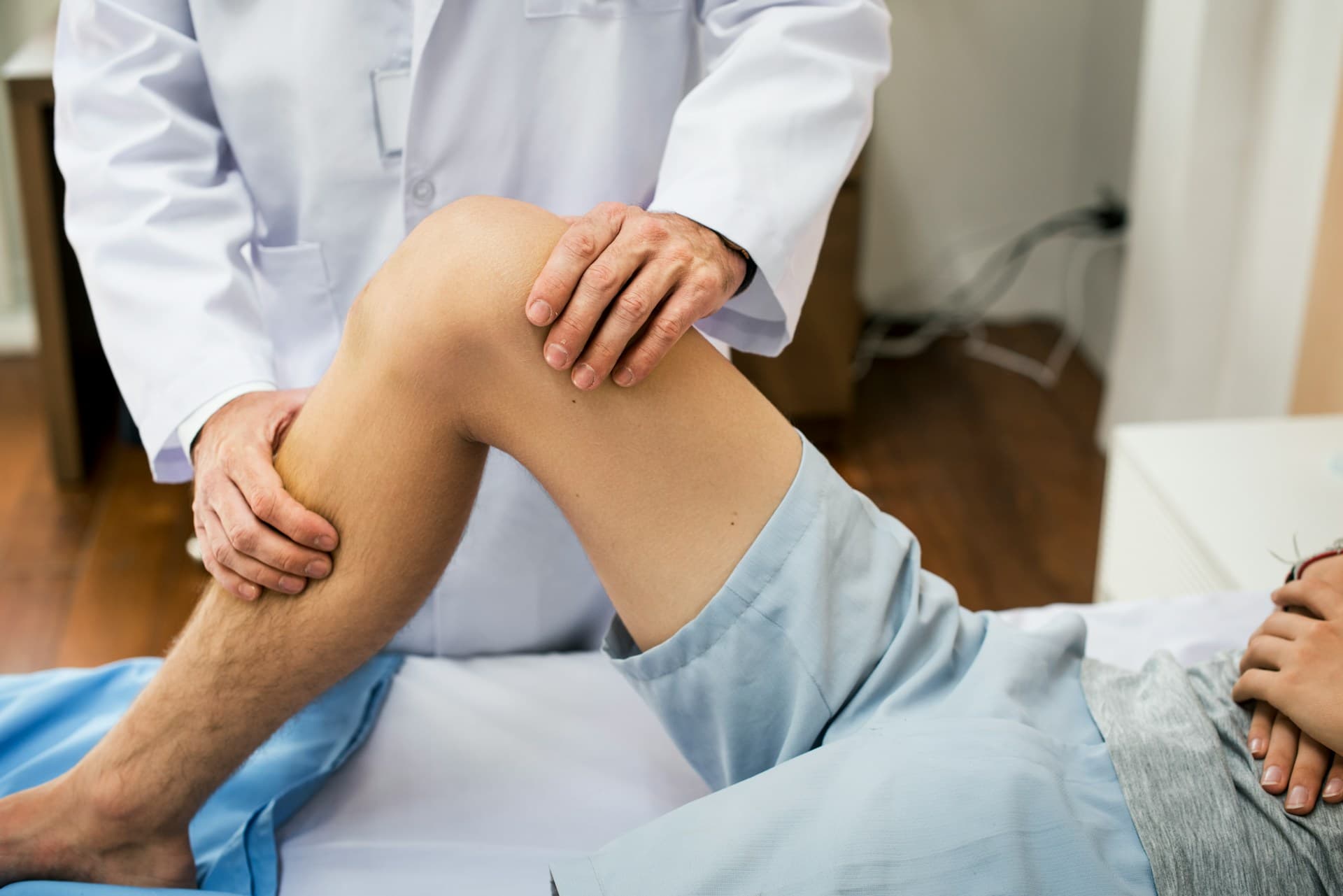
An integrative approach to sciatica treatment in St. Petersburg looks beyond the symptoms. At Suncoast Integrative Healthcare, we focus on finding the root causes, such as disc issues, joint dysfunction, or muscle imbalance. Our team offers drug-free, non-surgical options like chiropractic care, regenerative medicine therapies, targeted rehab, and lifestyle coaching to help correct the everyday habits that keep sciatica going.
When home habits and professional care work together, many people find they can move more easily and feel more confident staying active through the long summer season instead of watching from the sidelines.
Get Lasting Relief From Sciatica Pain Today
If sciatica is limiting your daily life, we are here to help you find safe, effective relief. Explore how our customized care plans for sciatica treatment in St. Petersburg can address the root cause of your pain, not just the symptoms. At Suncoast Integrative Healthcare, we take the time to understand your condition and recommend the right combination of therapies for your needs. To schedule an appointment or ask questions, simply contact us and we will help you take the next step toward relief.

Next step
Talk with us about your care
Call (727) 519-3757 or request a visit — our St. Petersburg team is here to help.