
01 / Article
Understanding Sciatica Flare-Ups During St. Petersburg’s Beach Season
Discover why beach activities can trigger flare ups and explore options for sciatica treatment in St. Petersburg to ease pain and stay active.
6 min read

Enjoying Beach Season Without Sciatica Pain
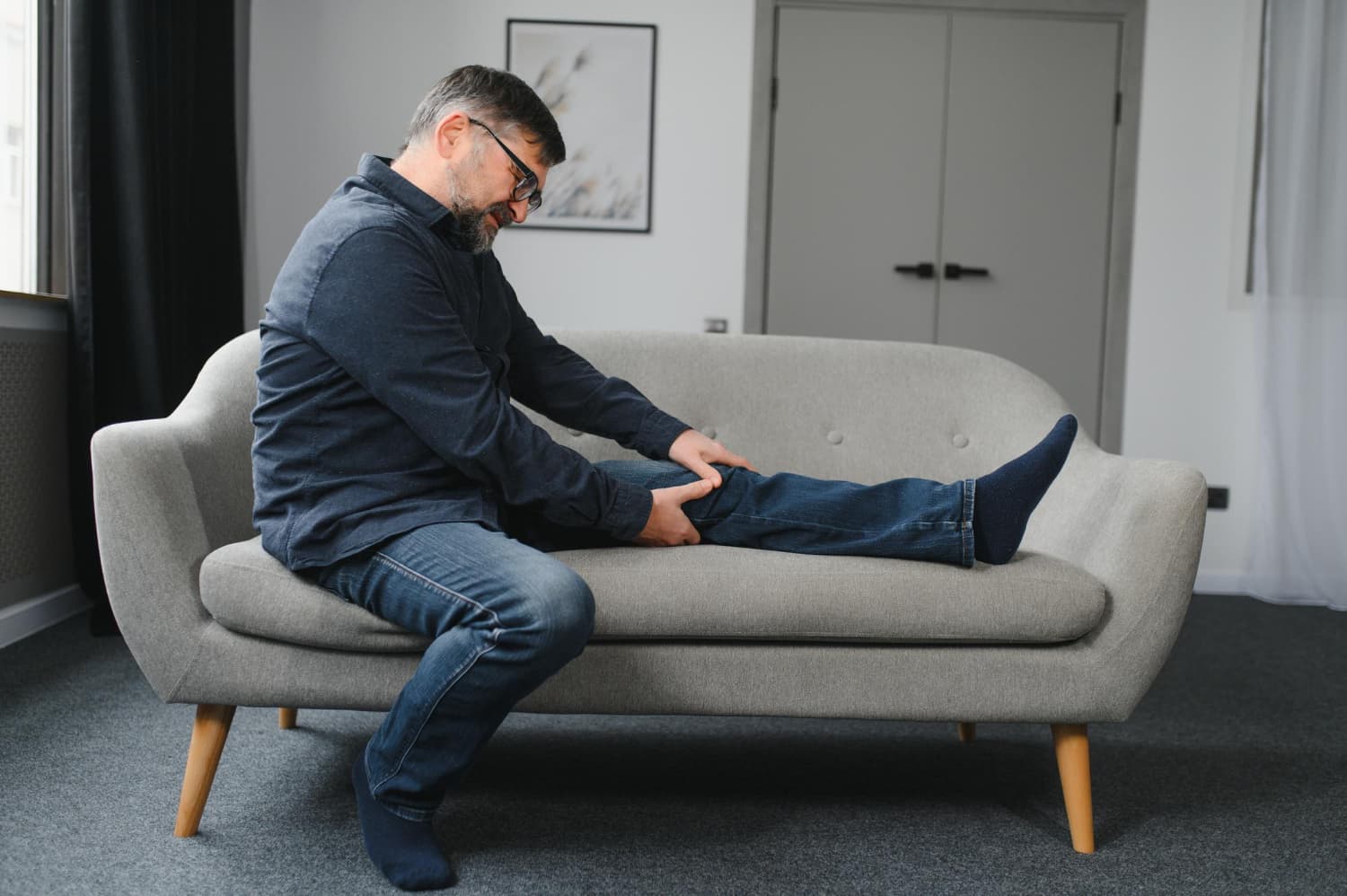
Sciatica can turn a fun beach day into a painful chore. When the pain shoots from your lower back down your leg, even walking to the water can feel hard. If you spend a lot of time at the beach around St. Petersburg, you may notice your symptoms feel worse during this busy season.
In simple terms, sciatica is irritation or pressure on the sciatic nerve. This large nerve runs from your lower back through your hips and down each leg. When it is irritated, you can feel pain, tingling, or numbness anywhere along that path. By understanding why flare-ups happen more during beach season, you can make better choices and know when to look for sciatica treatment in St. Petersburg that fits your life.
At our clinic, we want you to enjoy the Gulf Coast without worrying about every step in the sand or every hour in a beach chair. Let us walk through what tends to go wrong and what you can start doing differently.
Why Sciatica Flares Up More in Beach Weather
When beach season hits, daily routines change. People walk more, stand in lines, play more sports, and travel more. All that extra activity puts stress on the lower back, hips, and legs. If your sciatic nerve is already sensitive, that added stress can wake it up fast.
Common summer and beach habits that trigger symptoms include:
- Walking long distances on soft, uneven sand
- Standing for long periods with poor posture
- Jumping into sports like volleyball or paddleboarding without warming up
- Lugging bags, coolers, and chairs from the car to the shore
The environment does not always help. Heat and humidity can lead to dehydration, muscle fatigue, and more inflammation. Long car rides to and from the beach, theme parks, or day trips also mean hours of sitting, which can tighten your hips and lower back.
Some people are more likely to feel flare-ups when activity ramps up, such as those who:
- Have a history of herniated or bulging discs
- Live with spinal arthritis or past back injuries
- Spend most of the week sitting at a desk, then become very active on weekends
- Have weak core or hip muscles that do not support the spine well
If you see yourself in any of these groups, it helps to be extra careful once your beach and travel time increases.
Everyday Beach Habits That Worsen Sciatic Nerve Pain
Many beach routines that seem harmless actually stress the lower back and sciatic nerve. A few small habits can add up to a big pain spike by the end of the day.
Some of the biggest troublemakers are:
- Walking long distances in flip-flops or barefoot on hot, uneven sand
- Sitting twisted or half-reclined in low beach chairs or on towels for hours
- Lifting heavy coolers, kids, and gear with your back instead of your legs
Here is what happens in your body. Soft sand makes your feet and ankles work harder to stay stable. If your footwear has no support, your knees, hips, and lower back have to absorb more impact. Poor sitting posture rounds your lower back and can increase pressure on the discs and nerves. Lifting with a bent back pulls on the muscles and joints that protect the sciatic nerve.
These stresses can:
- Tighten the piriformis muscle in the buttock, which can pinch the sciatic nerve
- Increase pressure on already irritated nerve roots in the lower spine
- Trigger radiating pain, tingling, or numbness down the leg
You do not have to give up the beach to feel better. Simple swaps can make a real difference:
- Wear supportive sandals or shoes for longer walks to and from the shore
- Choose a chair with better back support, and avoid long, twisted lounging positions
- Stand up and stretch every 30 to 45 minutes, even for a minute or two
- Bend your knees, keep things close to your body, and lift with your legs
Small changes, when done often, can cut down how often and how strongly your sciatica flares during busy beach months.
Safe Summer Moves to Calm Sciatica Symptoms
Gentle movement can be helpful for many people with sciatica. Still, it is smart to check with a healthcare professional before starting anything new, especially if your pain is strong or new.
In general, many people do well with:
- Light stretches for the hamstrings, hip flexors, and piriformis
- Easy core and glute exercises to support the spine
- Short walks on firmer surfaces, like the packed sand near the water or a boardwalk
When it comes to favorite summer activities, small changes can lower the strain on your back and legs. For example, you might:
- Choose smooth, easy swimming instead of hard, twisting strokes
- Paddleboard in calm water and keep sessions short with rest breaks
- Play beach volleyball at a relaxed pace and warm up first with light stretching
Pacing matters too. Plan your day so you are not doing hours of nonstop activity. Mix short bursts of movement with breaks in a good chair or on a supportive surface. Drink water often, take time in the shade, and use ice or cooling gel packs after long days if you feel sore or swollen.
Pay attention to warning signs that home care is not enough. These may include:
- Worsening weakness in your leg or foot
- Increasing numbness or tingling that does not go away
- Pain that stays strong or keeps coming back, even with rest and simple care
When you notice these changes, it is a good time to get a more personal plan for sciatica treatment in St. Petersburg.
How Integrative Sciatica Care Helps You Stay Active
An integrative approach looks at the whole picture of your pain, not just the symptoms. At Suncoast Integrative Healthcare, we focus on non-surgical, drug-free options that aim at the source of your sciatic irritation so you can stay active with more comfort.
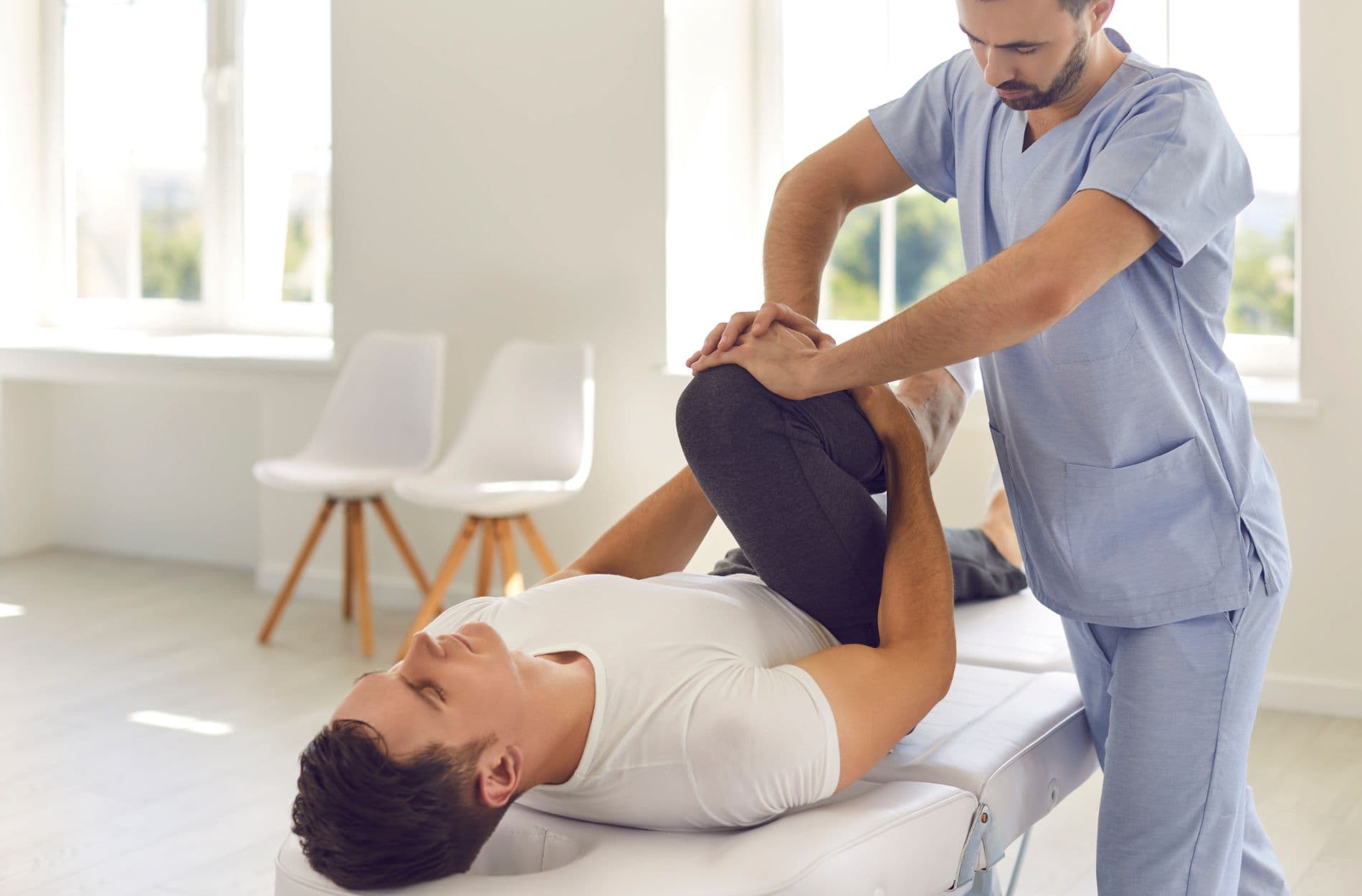
Chiropractic care can help improve spinal alignment, which may lessen pressure on irritated nerve roots. Gentle adjustments, when appropriate, work together with soft tissue therapies that target tight muscles and trigger points in the lower back, hips, and legs.
For more stubborn or chronic sciatica, we may also suggest:
- Regenerative medicine options, when appropriate for your condition
- Corrective exercises to build strength in your core and hips
- Posture retraining for sitting, standing, and walking
- Lifestyle guidance that fits your usual beach, work, and family routines
By blending these methods, the goal is fewer flare-ups, better mobility, more stable core and hip support, and greater confidence to enjoy the sand and water without always worrying about the next wave of pain.
Take Back Your Beach Days with Personalized Care
Living in or near St. Petersburg means beach season is a big part of life. Sciatica should not be the reason you say no to walks at sunset, games with family, or time floating in the Gulf. With the right support and habits, many people can lower their pain and move with more ease.
At Suncoast Integrative Healthcare, we understand how local activities, from long beach walks to weekend sports, can affect your back and legs. Our team focuses on helping you find what is really driving your sciatica and building a plan that works in real life, not just on paper. When your care is tailored to your body and your routine, you are more likely to keep up with it and feel the results where it matters most, right out on the sand.
Find Lasting Relief From Sciatica Pain Today
If sciatica is limiting your daily life, we are here to help you find safe, effective relief. Learn how our personalized approach to sciatica treatment in St. Petersburg at Suncoast Integrative Healthcare can address the root cause of your pain, not just the symptoms. Take the first step by scheduling a visit so we can evaluate your condition and discuss the right options for you. If you are ready to talk with our team or book an appointment, simply contact us today.

Next step
Talk with us about your care
Call (727) 519-3757 or request a visit — our St. Petersburg team is here to help.