
01 / Article
Sciatica-Friendly Commute and Workday Setup in St. Petersburg: Car, Bike, Desk
Improve comfort on car or bike commutes plus desk ergonomics with guidance on sciatica treatment in St Petersburg for lasting relief
7 min read
Make Every Mile Easier on Your Sciatic Nerve
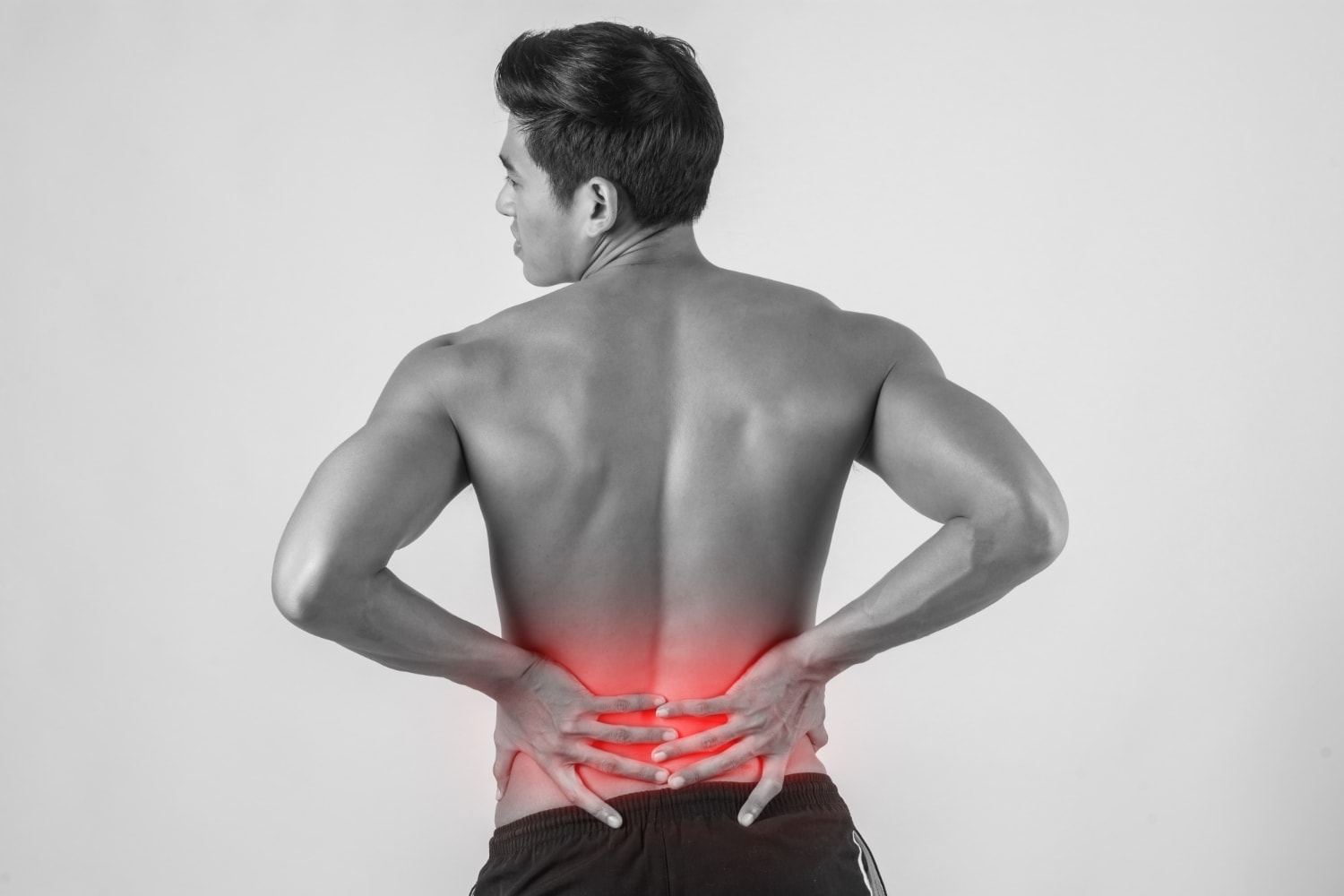
Sciatica can turn a normal workday into a long grind. When the sciatic nerve in the lower back gets irritated, pain can travel down the hip, leg, and even into the foot. Long causeway drives, stop-and-go traffic, and hours at a desk in St. Petersburg can all pile more pressure on that nerve.
The good news is that small changes in how you drive, ride your bike, and sit at your desk can lower that pressure. Smarter ergonomics help your muscles relax, take strain off the lower back, and give any sciatica treatment in St. Petersburg a better chance to work. Think of it as giving your body a fair shot, instead of fighting against it all day.
At Suncoast Integrative Healthcare, we see how commutes and desk setups affect healing, especially when fall routines pick up and days start filling with work, school, and events. We help people build simple “commute to desk” plans that match real life in this area, so their daily habits support recovery instead of slowing it down.
Sciatica-Smart Driving Habits for Tampa Bay Traffic
Long sits in the car can make sciatica flare fast. A few posture changes can make Tampa Bay traffic a little kinder to your lower back.
Aim for a driving position where your joints stay relaxed and supported: set your seat distance so you can press the pedals fully without locking your knee, keeping both the knee and hip slightly bent. Keep the seat back at a slight, comfortable lean, upright and relaxed rather than reclined. Your lumbar area should feel gently supported (not shoved forward and not left unsupported), and the headrest should meet the middle of the back of your head rather than your neck.
To reduce sciatic irritation on long bridges or during I-275 backups, a few small adjustments can make a noticeable difference:
- Use a small lumbar roll or a rolled-up towel at the curve of your lower back.
- Tilt the seat base so your hips are level or just slightly higher than your knees.
- Empty your back pockets so your pelvis stays level on the seat.
- Adjust mirrors a little higher so you are encouraged to sit tall instead of slouching.
Fall and winter traffic can mean more time sitting in the car around events and holidays, so it helps to plan for movement instead of waiting until you feel stiff. Even small “micro-breaks” reduce the prolonged pressure that can keep the nerve irritated:
- Do gentle ankle circles and tighten then relax your glutes at red lights.
- On drives longer than about an hour, plan short pull-over breaks to stand and reset your posture.
Before and after driving, add a few easy moves to help your hips and lower back transition out of the seated position. Options include pelvic tilts while standing against a wall, a gentle knee-to-chest stretch while lying on your back, and a light hip flexor stretch with one foot forward and one foot back.
These are the kinds of simple strategies we often share with people whose commutes keep irritating their sciatic nerve.
Biking St. Petersburg Without Flaring Your Sciatica
Cycling can be a great, low-impact way to move, but only if the bike fits your body. A poor fit can strain the lower back and hips and fire up sciatica.
Start with the basics of bike fit so your posture stays efficient rather than compressed or overreached:
- Saddle height: When the pedal is at the lowest point, your knee should stay slightly bent, not locked straight.
- Saddle tilt: Keep the seat mostly level. Tipping it too far forward or backward can stress your lower back.
- Handlebar reach: You should not have to reach too far or hunch your shoulders. A slight bend in your elbows is ideal.
- Foot position: The ball of your foot should line up over the pedal, not too far forward or back.
Beyond fit, your route and riding choices also influence whether symptoms stay calm. Smoother paved trails and streets are often easier on the lower back because rough paths can jar the spine and hips. It also helps to skip heavy backpacks when possible; if you must carry items, pack light or use a rack or basket. Keep your pace at a level where you can breathe and talk, especially in warmer, humid evenings, because overworking tired muscles can make them tighten and irritate the nerve. Many riders also do better favoring cooler morning or later evening rides to avoid extra fatigue from midday heat.
Before and after rides, a short routine can help, especially if you are already under sciatica treatment in St. Petersburg:
- Gentle hip circles while standing and holding a counter
- Light hamstring stretch with your heel on a low step, knee soft
- Easy core activation, like drawing your belly button slightly in while breathing calmly
If pain spreads farther down the leg, gets sharper, or lasts long after rides, it is time to pause biking and get a professional assessment instead of pushing through.
Building a Sciatica-Friendly Desk in Any Office
Many offices in St. Petersburg have strong air conditioning, long computer sessions, and soft chairs that look comfy but let you sink and slouch. When you sit for hours like this, the lower back and hips can get stuck in one position, which loads the sciatic nerve.
You can build a friendlier desk setup with a few key changes:
- Chair height: Adjust so your feet are flat on the floor and your knees are close to hip level.
- Chair depth: You should be able to sit back with support and still have a small gap between the edge of the seat and the back of your knees.
- Lumbar support: Use the built-in support or add a small cushion at your lower back curve.
- Arm support: Rest your forearms lightly so your shoulders do not hike up toward your ears.
- Screen height: Top of the screen near eye level so your head stays balanced, not tipped forward.
- Keyboard and mouse: Bring them close so your elbows stay near your sides.
- Foot support: If your feet dangle, use a footrest or a small box.
Movement during the workday matters as much as the setup. Sitting “perfectly” once in the morning usually is not enough if you stay still for hours, so think in terms of frequent resets that keep your hips and spine from stiffening:
- Every 30 to 60 minutes, take a quick posture reset: stand, shrug and roll your shoulders, and reset your hips.
- Make subtle seated moves like gentle pelvic tilts or shifting your weight side to side.
- Stand or walk during brief phone calls when you can.
Simple stretches can also work in office clothes. For example, you can use a seated figure-4 stretch with your ankle over the opposite knee while keeping your spine tall, a standing calf stretch behind your chair, and gentle side bends with hands on your hips.
Workday Movement Rituals to Calm Sciatic Pain
A steady rhythm of small breaks can calm sciatic irritation better than one big stretch session at the end of the day. Here is a sample fall workday pattern many people find realistic:
- Morning: After waking, do 3 to 5 minutes of easy hip and back mobility before breakfast.
- Mid-morning: Quick standing reset away from your screen.
- Lunch: Short walk, even if it is just around the building.
- Mid-afternoon: Two or three stretches by your desk or in a quiet room.
- Evening: Gentle cool-down at home before bed, not just collapsing on the couch.
If you want a few gentle, sciatica-conscious exercises that require no equipment, you can rotate through the following options. Keep the movements slow, small, and pain free, aiming more for consistency than intensity:
- Pelvic tilts on your back: Knees bent, feet on the floor, slowly rock your pelvis to press your lower back lightly into the floor, then release.
- Supine knee hug: On your back, bring one knee toward your chest, hold a few breaths, switch sides.
- Standing hip hinge: With a slight bend in the knees, push your hips back and lean your torso forward a bit, then return, keeping the move small and pain free.
- Seated figure-4 stretch: Sit tall, cross one ankle over the opposite knee, lean forward just a little until you feel a gentle stretch.
- Wall slides: Stand with your back to a wall, slowly slide your arms up and down the wall to open your chest and reset posture.
Keep the focus on consistency, not pushing hard. Stop any movement that sends sharp, sudden pain down the leg, causes numbness or weakness, or makes symptoms clearly worse after you are done. Those are signs to stop self-management and get checked by a professional.
At Suncoast Integrative Healthcare in St. Petersburg, we combine chiropractic and other non-surgical care with practical ergonomic strategies that fit each person’s job, commute, and activity level. When daily habits line up with your sciatica treatment in St. Petersburg, you give your body fewer mixed signals and a clearer path toward relief.
Partner with Local Experts for a Pain-Smart Routine
As you read through these ideas, it can help to quickly audit your own routine. Look at your car, your bike if you ride, and your desk, then pick just one simple change in each area this week so adjustments feel doable instead of overwhelming.
Relieve Sciatica Pain And Get Back To What You Love
If sciatica is limiting your daily life, our team at Suncoast Integrative Healthcare is ready to help you find lasting relief with personalized sciatica treatment in St Petersburg. We take the time to understand your specific symptoms and create a care plan focused on restoring comfort and function. To schedule your visit or ask questions about your options, please contact us today.



Next step
Talk with us about your care
Call (727) 519-3757 or request a visit — our St. Petersburg team is here to help.