
01 / Article
Pickleball Injury Prevention in St. Petersburg: Warm-Ups and Recovery Tips
Learn warm-ups, footwork, and recovery strategies from a sports injury chiropractor in St. Petersburg to help prevent strains and stay active longer
6 min read
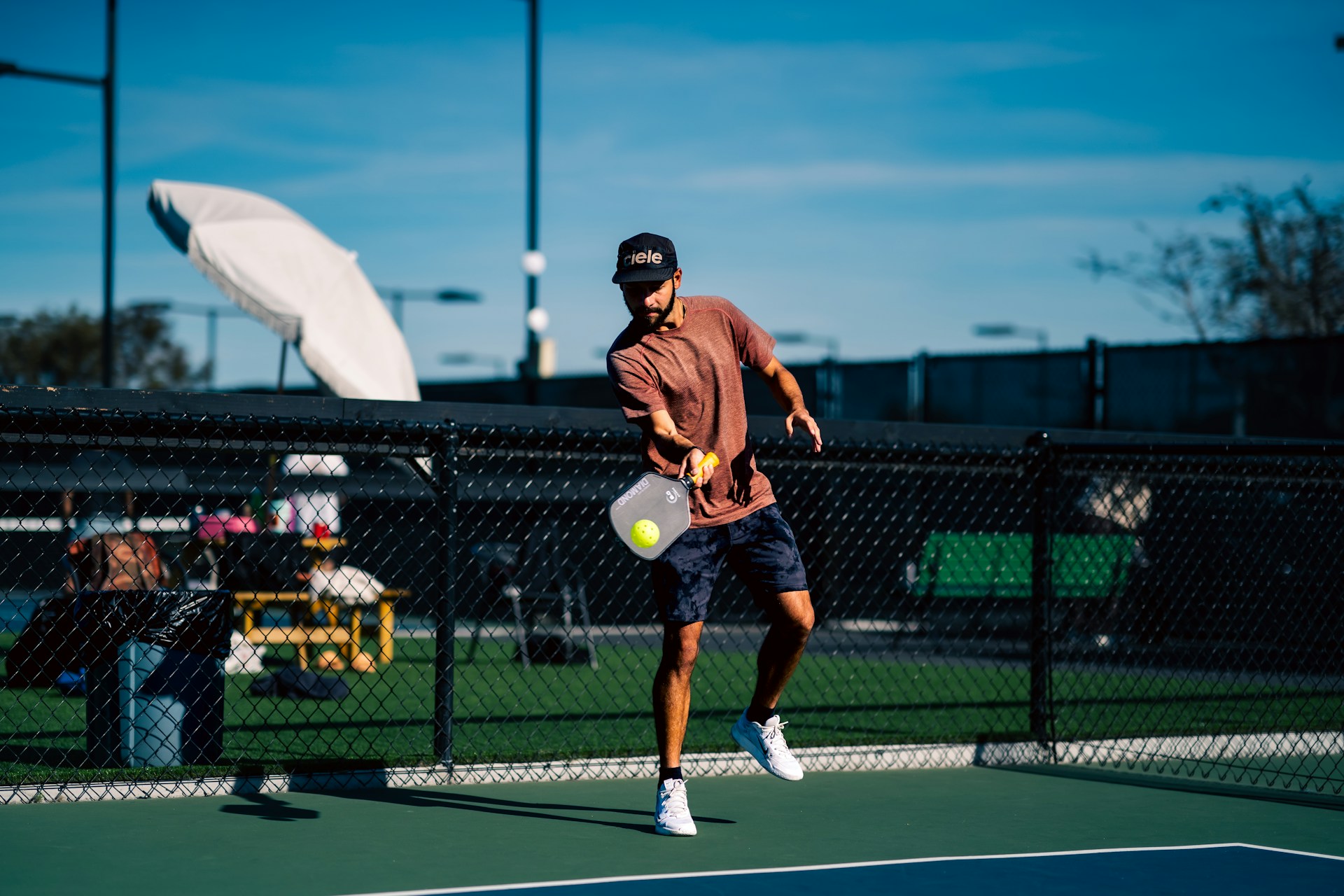
Play More, Hurt Less: Protect Your Pickleball Game
Pickleball is everywhere in St. Petersburg. Courts are packed in the mornings, evenings, and especially around the holidays when friends and family are in town. It is fun, social, and easy to learn, which means many people play longer and more often than their bodies are ready for. That is when problems start. Sore knees, tight calves, aching shoulders, and tender elbows can turn a great hobby into a painful chore. We want to help you avoid that. In this article, we will walk through simple warm-ups, smarter footwork, and basic recovery habits you can use to protect your body and keep your game going strong.
Why Pickleball Players Get Hurt in the First Place
Pickleball looks gentle from the sidelines, but your joints know the truth. Quick stops, twists, and repeated swings put a lot of load on muscles, tendons, and ligaments, especially on hard courts. Some of the most common pickleball complaints include: • Ankle sprains from rolling the foot during quick changes of direction • Achilles and calf strains from pushing off too hard or lunging backward • Knee pain from sudden pivots and awkward landings • Shoulder overuse from serves, overheads, and high volleys • Low back pain from bending, reaching, and twisting • Elbow tendinitis from repeated paddle swings A big reason these injuries show up is the “weekend warrior” mindset. Many players jump back into sports after years off, then stack several games in a row with little warm-up. On top of that, they may wear regular sneakers instead of proper court shoes, and they often bring stiffness (tight hips or calves) or weak support muscles (especially the core) onto the court. Age also plays a role. For adults over 40, there may be more joint wear, old injuries, and slower recovery. When aches are ignored, they can turn into chronic pain that lingers between matches. Getting checked early by a sports injury chiropractor in St. Petersburg can help address small problems before they limit your time on the court.
Court Ready in 10 Minutes: Essential Pickleball Warm-Ups
A good warm-up does not have to be long or complicated. About 10 minutes of movement before you play can wake up your muscles, improve your balance, and lower your risk of strains. Start with a light dynamic warm-up: • Brisk walk or easy jog around the court • High knees for short distances • Butt kicks to loosen the front of the thighs • Side shuffles facing the net and then facing away • Gentle forward and reverse lunges After you have some heat in your body, add mobility for key joints so your ankles, hips, shoulders, and spine move more freely before you start cutting, reaching, and swinging. • Ankle circles in both directions • Hip openers, like stepping over an imaginary hurdle • Arm circles, small to large, forward and backward • Trunk rotations with arms across the chest Finish with a small amount of activation work to “turn on” the muscles that help stabilize your knees, hips, and shoulders when play speeds up. • Mini squats focusing on good knee alignment • Glute bridges while lying on your back • Light resistance band pulls for the shoulders • Side steps with a band around the legs to wake up hip muscles The goal is simple: get warm, feel loose, and be ready to move in any direction before the first serve.
Smarter Footwork to Save Your Knees, Ankles, and Back
Good footwork is like quiet armor for your body. When your stance and steps are solid, your joints do not have to work as hard to keep you safe, and you are less likely to get caught in awkward positions. Keep a strong, ready position: • Stay on the balls of your feet, not flat-footed • Keep knees slightly bent and relaxed • Keep your weight centered, not leaning too far forward or backward • Hold the paddle up so you can react quickly From that ready position, aim for safer movement patterns that reduce twisting through the low back and limit stressful reaches that can strain the knees and Achilles. • Shuffle sideways instead of crossing your feet, especially near the kitchen • Turn your hips and feet together when changing direction rather than twisting only from your low back • Avoid sudden big backward lunges that strain the Achilles and knees • Take short, quick steps instead of long, reaching ones Your gear and the court surface matter too. Wear court shoes with good traction and side support, not worn-out running shoes, and replace shoes when the soles are smooth or the sides feel soft. Outdoors in St. Petersburg, it also helps to watch for common court hazards that can lead to slips or rolled ankles: • Wet lines after light rain or morning dew • Sand, leaves, or small debris on the court • Uneven spots that can catch a foot Moving smarter helps you play faster and safer at the same time.
Recovery Habits That Keep You Playing All Season
What you do after your match is just as important as what you do before it. A short, intentional cool-down can help you feel better the next day and reduce nagging soreness. Right after you finish, try: • A few minutes of easy walking until your breathing calms • Gentle stretching for calves, hamstrings, and quads • Hip stretches like a figure-four or lunge hold • Shoulder and chest stretches using the net post or fence • Forearm flexor and extensor stretches for elbow comfort At home, simple self-care can support your recovery. For mild aches or tightness you might use ice packs or contrast therapy for irritated joints, spend a few minutes on a foam roller for quads, calves, and glutes, or use a small ball under the foot or between the shoulder blades. Some players also wear over-the-counter braces or kinesiology tape for extra support if advised by a professional. Lifestyle choices add up too. Our Florida humidity means you lose fluids quickly, even when you do not feel very sweaty. Focus on: • Drinking water before, during, and after playing • Eating lean protein, fruits, vegetables, and healthy fats to support healing • Limiting heavy, salty foods before long matches • Prioritizing sleep so your muscles and joints can repair These small habits, done often, keep your body ready for the next game.
When to Call a Sports Injury Chiropractor in St. Petersburg
Not every ache is a simple soreness that will pass on its own. Some symptoms are signals that your body needs more help, and pushing through them can make the problem harder to resolve. Stop playing and seek care if you notice: • Sharp or increasing pain while you move • Swelling that does not improve with rest and ice • A feeling of giving way, buckling, or instability • Numbness, tingling, or burning sensations • Pain that stays the same or gets worse after several days At an integrative clinic, care goes beyond basic rest. A team can use a mix of chiropractic adjustments, soft tissue work, and guided rehab exercises to improve joint motion and muscle balance. For more stubborn or long-lasting problems from pickleball, regenerative medicine options may be considered to support the body’s natural healing process and help you avoid surgery when possible. At Suncoast Integrative Healthcare in St. Petersburg, we look at how your whole body moves, not just the painful spot. We perform personalized assessments and movement screenings, then build custom plans aimed at reducing re-injury risk and improving how you serve, pivot, and reach on the court. Our goal is simple: help you stay active, protect your joints, and keep enjoying pickleball with less pain.
Get Back In The Game With Confident, Targeted Care
If pain or limited movement is keeping you on the sidelines, our team at Suncoast Integrative Healthcare is ready to help you move safely and confidently again. As a trusted sports injury chiropractor in St. Petersburg, we focus on personalized treatment plans that support both recovery and long-term performance. Reach out to us today through our contact page to schedule your visit and take the next step toward feeling and performing your best.
Next step
Talk with us about your care
Call (727) 519-3757 or request a visit — our St. Petersburg team is here to help.