
01 / Article
Could Shockwave Therapy Be the Key to Stubborn Heel Pain?
Discover whether shockwave therapy can ease stubborn heel pain in St. Petersburg. Get drug-free relief with chiropractic care and regenerative treatments.
5 min read
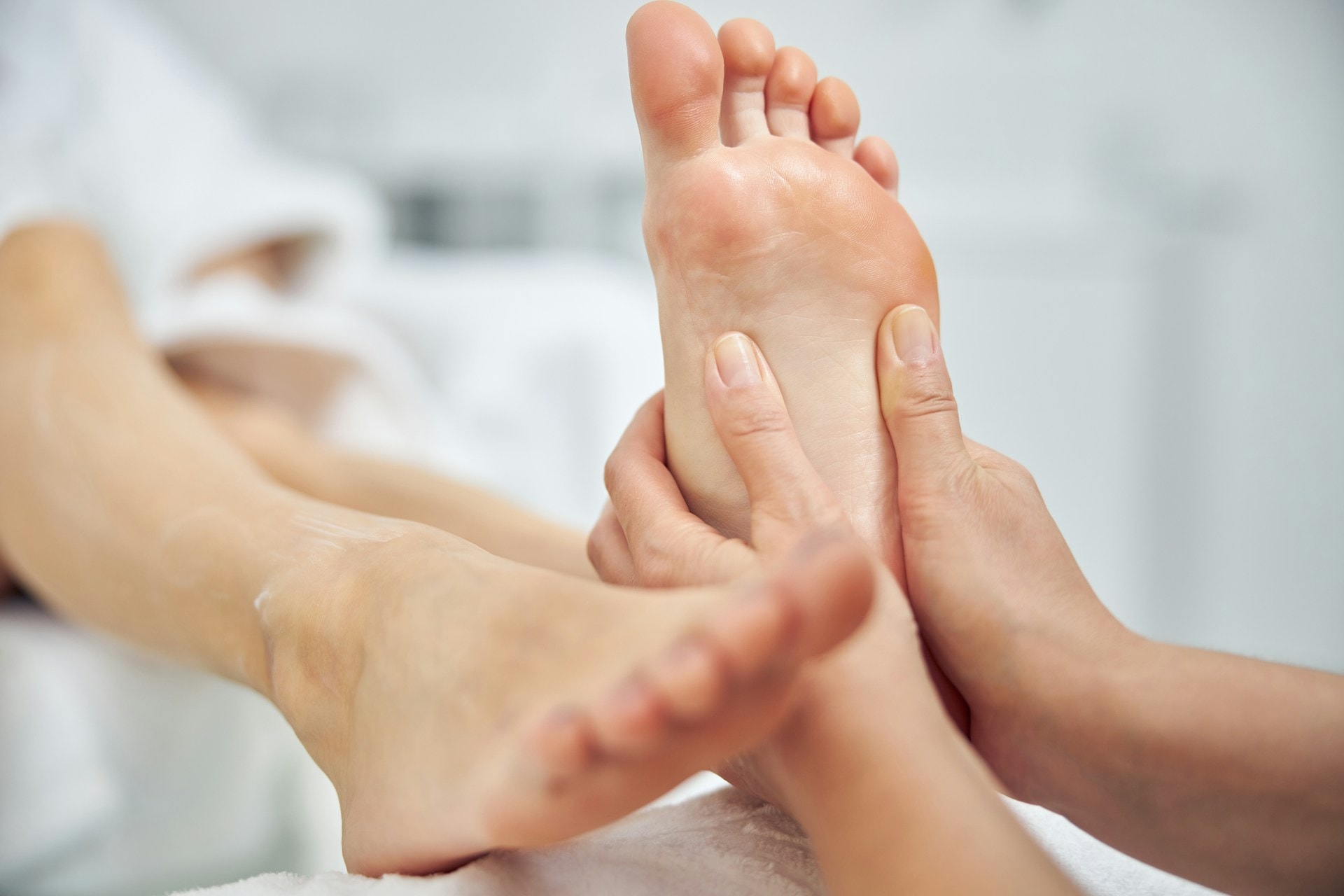
Stop Letting Heel Pain Slow Down Your Florida Summer
Heel pain has a way of turning fun days into long, painful ones. A short walk on St. Pete Beach, a day at a theme park, or even standing at a backyard cookout can feel hard when every step sends a sharp or burning ache through your heel. Problems like plantar fasciitis and Achilles tendon pain are common, and they can make simple things like getting out of bed in the morning feel like a challenge.
Many people try all the usual ideas, like rest, ice, store-bought inserts, or pain pills. These may help a little, but the pain often comes right back as soon as you are on your feet again. That is where a non-surgical option like shockwave therapy can come in. At our clinic in St. Petersburg, we use this drug-free treatment to help stubborn heel pain finally start to heal. We will walk through why heel pain sticks around, how shockwave therapy works, who it may help, and what treatment is like.
Why Heel Pain Becomes So Stubborn
Heel pain often starts small, then slowly gets worse. Some of the most common causes include:
- Plantar fasciitis
- Achilles tendinitis
- Heel spurs
- Overuse from sports or long days on hard floors
Here in Florida, summer can make these issues even harder to ignore. You may be:
- Walking more on the beach or around theme parks
- Wearing flip-flops or flat sandals with little support
- Standing for long hours at work or events
- Exercising outdoors before the heat and humidity peak
Over time, the tissue in the bottom of the foot or around the Achilles tendon can develop tiny microtears. Your body tries to repair these, but repeated stress can lead to thick, stiff tissue and ongoing inflammation. That mix of irritation and scar tissue makes the area less flexible and more sensitive. This is why the first steps in the morning or the first steps after sitting often feel like stepping on a nail.
Standard home treatments, like:
- Rest
- Ice
- Over-the-counter pain medication
- Basic stretching
may calm the pain for a while, but they often do not trigger deeper healing in the tissue. If the real problem is poor blood flow, stubborn scar tissue, or long-term strain, you may only get quick, short-term relief instead of lasting change.
How Shockwave Therapy Helps Chronic Heel Pain Heal
Shockwave therapy is a non-surgical treatment that uses focused acoustic waves on painful areas. These waves are delivered from a small device placed on your skin over the heel and surrounding tissue. The goal is to wake up your body’s natural repair process where it has slowed down.
In simple terms, shockwave therapy can help by:
- Increasing blood flow to the injured area
- Breaking up thick, disorganized scar tissue
- Stimulating cells that support tissue repair
For chronic plantar fasciitis or Achilles tendon problems, this added circulation and cell activity may help the tissue become healthier and more flexible again. As the area changes, many people notice less pain with standing, walking, and exercise.
Some key benefits of shockwave therapy include:
- Non-surgical, no cuts or stitches
- No injections
- No opioids
- Little to no downtime
Most sessions are done right in the office and usually take under 30 minutes. At our St. Petersburg clinic, we often use shockwave therapy as part of a larger care plan. That may include chiropractic care for better alignment, specific exercises for the feet and legs, and simple lifestyle changes to reduce strain on your heels.
What to Expect From Shockwave Therapy in St. Petersburg
When you come in with heel pain, we start with a careful evaluation. We listen to your history, ask about your activities, and perform a physical exam. We want to confirm where your pain is coming from, such as plantar fasciitis, Achilles issues, or another soft tissue problem.
During a shockwave therapy session:
- A gel is applied to your heel and nearby areas
- A handheld device is moved over the painful spots
- You may feel tapping, pressure, or mild discomfort
- The session usually lasts less than half an hour
Discomfort levels can vary, but most people tolerate the treatment well. If anything feels too intense, we can adjust the settings.
A typical plan may include a series of sessions, often spaced about a week apart, over several weeks. Many people start to notice changes in their pain and stiffness as the sessions go on, though results differ from person to person. Between visits, we often give simple home care tips, like gentle stretches or footwear guidance, to support the work we are doing in the clinic.
Most patients can keep up with normal daily activities. You may be asked to:
- Avoid sudden increases in running or jumping
- Choose more supportive shoes
- Follow specific stretching or strengthening plans
This balance helps your heel heal while still letting you live your life.
Who Is a Good Candidate for Shockwave Therapy
Shockwave therapy is not right for everyone, but it can be a strong option for many people with stubborn heel pain. It may be helpful if you:
- Have had heel pain for three months or longer
- Tried rest, ice, orthotics, or medications with limited success
- Want to avoid injections or surgery if possible
- Are an active adult who wants to stay moving and pain-aware
Some common situations where shockwave therapy may be especially helpful include:
- Plantar fasciitis that flares after a shift on your feet
- Running or walking injuries that keep coming back
- Heel pain that makes sports, travel, or family outings hard
Safety matters, so a full evaluation is important before starting. Certain health issues, such as pregnancy, specific circulation problems, or active infections, may mean other treatments are better choices. We look at your whole body, including spine alignment, foot mechanics, work demands, and hobbies. From there, we build a plan that fits you, rather than relying on a single therapy alone.
Pairing Shockwave with Integrative, Drug-Free Care
Heel pain rarely exists in isolation. Often, the way your feet, knees, hips, and spine line up plays a big part in how much stress lands on your heels. Combining shockwave therapy with chiropractic care can help improve how your joints move, which can reduce pressure on your feet over time.
At our clinic, we may recommend other supportive options, such as:
- Regenerative medicine therapies when appropriate
- Targeting stretching and strengthening plans
- Posture and gait guidance
- Lifestyle and activity coaching
All of these are designed to support lasting results. The goal is not just to quiet your pain for a short time, but to help you move better so the problem is less likely to return. With the right plan, walking on the beach, running errands, and enjoying long summer days in St. Petersburg can feel more comfortable again, one step at a time.
Relieve Pain Faster With Advanced Shockwave Therapy
If you are ready to address stubborn pain and get back to the activities you enjoy, our team at Suncoast Integrative Healthcare is here to help. Learn how shockwave therapy in St. Petersburg can support your recovery with a focused, noninvasive approach. Schedule your visit today by using our contact us page so we can create a personalized treatment plan for your needs.


Next step
Talk with us about your care
Call (727) 519-3757 or request a visit — our St. Petersburg team is here to help.