
01 / Article
PRP Therapy: How Platelet-Rich Plasma Can Alleviate Knee Pain
Read our article "PRP Therapy: How Platelet-Rich Plasma Can Alleviate Knee Pain" to discover the best chiropractic care in St. Petersburg, Florida. Continue reading to learn more.
4 min read
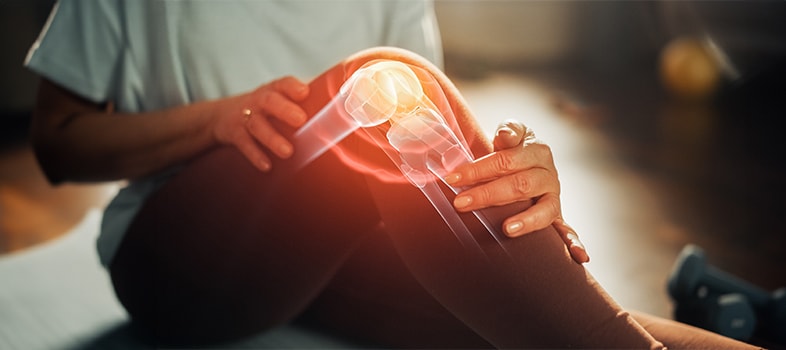
Knee pain is one of the most common complaints among adults of all ages, and it can severely limit mobility and quality of life. Whether caused by arthritis, injury, or wear and tear over time, knee pain can make even simple activities, such as walking or climbing stairs, feel difficult and painful.
Many traditional treatments, such as medications or surgery, can have limited effectiveness or come with undesirable side effects. However, there’s an innovative, natural therapy that’s gaining popularity: Platelet-Rich Plasma (PRP) Therapy.
At Suncoast Integrative Healthcare, we offer this regenerative medicine treatment as a non-surgical solution to help alleviate knee pain, promote healing, and improve function.
Here’s PRP therapy works, and how it can be used to treat knee pain caused by a variety of conditions.
How PRP Therapy Works for Knee Pain
PRP therapy works by utilizing the body’s natural healing mechanisms to accelerate recovery in damaged tissues.
When PRP is injected into the knee joint or surrounding soft tissues, the high concentration of platelets and growth factors can:
- Stimulate Tissue Repair: Platelets contain growth factors that help repair damaged tissue. By introducing these concentrated platelets into the knee, PRP therapy can help repair cartilage, tendons, and ligaments that are worn down or injured.
- Reduce Inflammation: Inflammation is often a key contributor to knee pain, especially in conditions like osteoarthritis. The growth factors in PRP can help reduce inflammation and promote the healing of damaged tissues, which helps to alleviate pain and swelling.
- Improve Blood Flow: The growth factors in PRP can also stimulate the growth of new blood vessels, improving circulation and promoting faster healing. This can be particularly beneficial for individuals suffering from chronic knee pain, as it aids the delivery of essential nutrients to the affected tissues.
- Promote Regeneration of Cartilage: In patients with osteoarthritis, the cartilage in the knee may have deteriorated over time. PRP therapy can help stimulate the regeneration of cartilage and slow down the progression of arthritis, helping to preserve joint function and alleviate pain.
What Conditions Can PRP Treat?
PRP therapy is effective for a wide range of knee pain conditions, including:
- Osteoarthritis: The most common cause of knee pain in older adults, osteoarthritis is a degenerative joint disease that results in the breakdown of cartilage in the knee. PRP therapy can help stimulate cartilage repair and reduce inflammation associated with osteoarthritis.
- Knee Tendonitis: Tendonitis is the inflammation of tendons, often due to overuse or injury. PRP can help accelerate the healing process and reduce pain in tendons such as the patellar tendon, which connects the kneecap to the shinbone.
- Meniscal Tears: The meniscus is cartilage in the knee that can tear due to sudden movements or degeneration. PRP therapy can assist in healing minor tears and reduce the need for more invasive treatments.
- Ligament Injuries: Ligament tears or strains can result from acute injuries, such as sports accidents. PRP therapy can help stimulate the healing of ligaments, such as the anterior cruciate ligament (ACL), by promoting tissue regeneration and reducing inflammation.
- Chronic Knee Pain: For those with chronic knee pain where other treatments have not been effective, PRP offers a promising alternative to help relieve pain and improve mobility.
Benefits of PRP Therapy for Knee Pain
PRP therapy offers several benefits over traditional treatments for knee pain, making it an increasingly popular choice among patients seeking relief:
- Non-Surgical Solution: PRP therapy provides a non-invasive, drug-free option for alleviating knee pain. It can often be used as an alternative to surgery, reducing the need for invasive procedures that come with longer recovery times and potential complications.
- Quick Recovery Time: Because PRP uses your body’s natural healing properties, the recovery time is typically much shorter than that of traditional surgeries. Most patients can return to their normal activities within a few days to a week after the procedure.
- Minimal Risk: Since PRP therapy uses your own blood, there is a minimal risk of allergic reactions or complications. It’s a safe treatment with very few side effects, especially when compared to long-term use of pain medications or corticosteroid injections.
- Long-Lasting Results: Many patients experience long-lasting relief after PRP therapy. The regenerative properties of PRP continue to work long after the injection, helping to heal the knee and alleviate pain for months or even years. While results may vary, studies suggest that PRP therapy can provide significant improvements in pain and function.
- Improved Joint Function: In addition to reducing pain, PRP therapy can improve overall knee function. Patients often report better mobility, increased strength, and greater range of motion after the procedure.
The PRP Injection Process
The PRP therapy process is relatively simple and minimally invasive. Here’s a quick breakdown of what to expect during your treatment:
- Consultation and Evaluation: During your initial consultation at Suncoast Integrative Healthcare, our team will assess your knee pain, discuss your medical history, and determine if PRP therapy is right for you.
- Blood Draw: A small amount of blood (about 20-30 ml) will be drawn from your arm.
- Centrifugation: The blood is placed in a centrifuge, which spins it rapidly to concentrate the platelets and growth factors into a small volume of plasma.
- Injection: The PRP solution is then injected into the area of your knee that is causing pain or discomfort. The procedure typically takes around 30 minutes.
- Recovery: You may experience some mild discomfort or swelling after the procedure, but this usually subsides within a few days. You can resume light activities shortly after the procedure, but we recommend avoiding heavy exercise or strenuous activity for a few weeks.
PRP therapy is an innovative, effective treatment for knee pain that utilizes your body’s own healing abilities to promote recovery, reduce inflammation, and alleviate pain.
If you’re tired of relying on medications or dealing with the limitations of surgery, PRP therapy at Suncoast Integrative Healthcare could offer the relief you’ve been searching for.
Contact us today at 727-519-3757 and take the first step toward a pain-free future!
Keep reading
More from our blog


Next step
Talk with us about your care
Call (727) 519-3757 or request a visit — our St. Petersburg team is here to help.