
01 / Article
When Chronic Knee Pain Signals It’s Time for Non-Surgical Care
Explore causes of chronic knee pain and how non-surgical knee treatment can reduce pain and improve mobility without drugs or surgery.
6 min read

When Knee Pain Starts Controlling Your Life
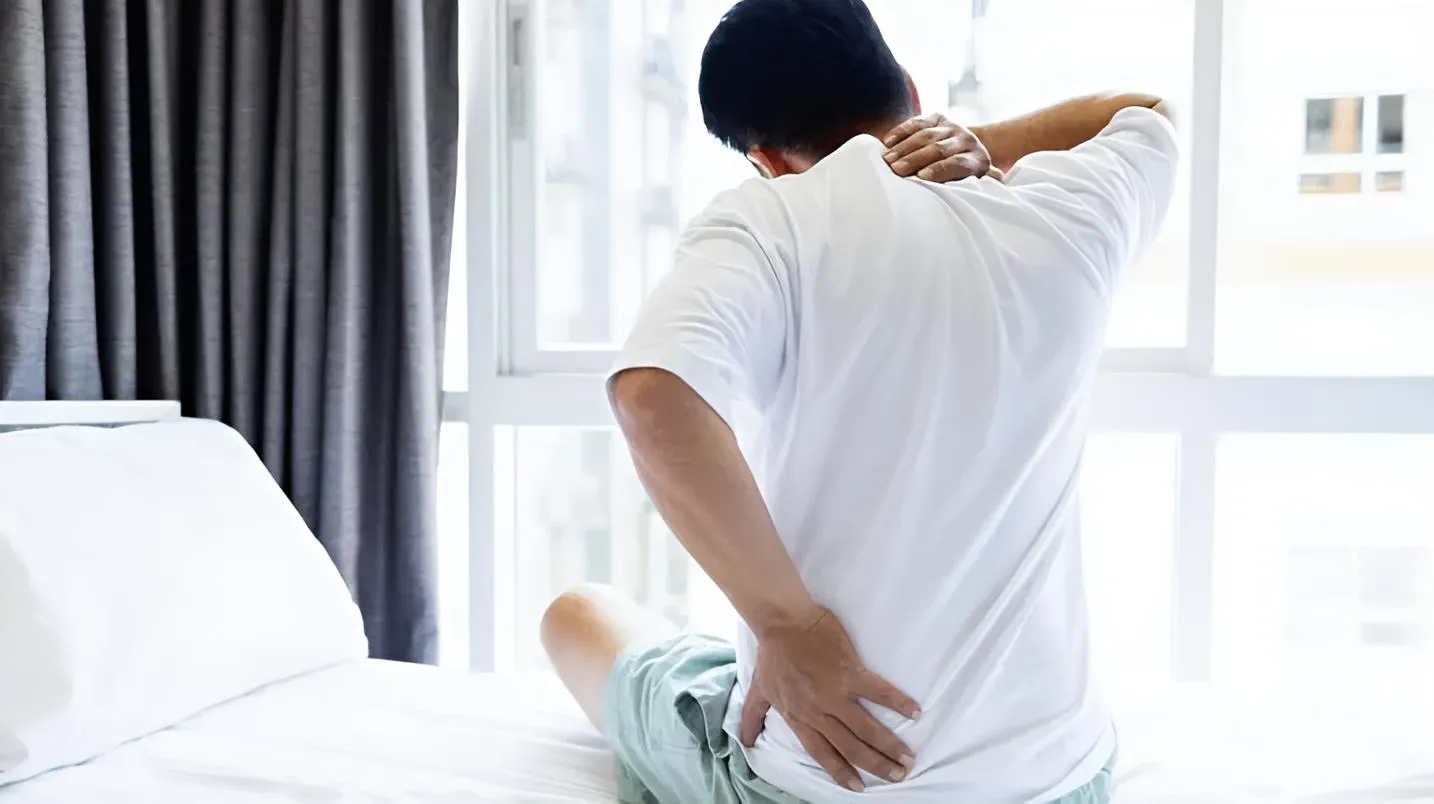
Knee pain has a way of sneaking into everything you do. Walking up the stairs, standing in line at the store, or getting out of the car can start to feel like a chore. After a while, you may stop joining friends for a walk along the St. Pete waterfront, and skip pickleball, golf, or beach time because you know your knee will complain later.
Many people think they only have two choices: live with the pain or sign up for surgery and long-term medications. That belief can keep you stuck for months or even years, waiting until the pain is almost unbearable before doing anything about it. In reality, chronic knee pain is often your body sending a clear signal that something needs attention, not just an annoying symptom to push through.
Non-surgical care can often calm that signal and help protect your joints for the long run. With the right support, it is possible to feel more stable, move with confidence, and stay active in St. Petersburg without depending on surgery or daily pain pills.
Signs Your Knee Pain Is No Longer “Normal”
Some knee soreness after a long day or new workout can be common. But there are clear signs that your knee pain has moved into chronic territory and deserves focused care.
Daily life limitations are a major clue:
- You change the way you walk, stand up, or get out of the car to protect your knee
- Pain or stiffness makes grocery shopping, walking the dog, or getting on and off the floor harder
- You say no to social events or family activities that mean a lot of standing or walking
When pain starts to shape your decisions, it is not just a minor ache anymore.
Persistent or worsening symptoms also matter. Pay attention if you notice:
- Pain that lingers more than 4 to 6 weeks, even when you rest, ice, or use basic home care
- Swelling, warmth, or visible changes in the joint that keep coming back after activity
- Night pain, or pain that interrupts sleep, work focus, or your mood during the day
Another sign is over-reliance on quick fixes. You may find yourself:
- Taking more and more over-the-counter pain relievers just to get through the day
- Pushing through pain during workouts or sports, hoping it will just fade away
- Trying random online exercises or generic braces without a proper exam
These short-term tricks might bring brief relief, but they can also let deeper problems grow in the background.
Why Early Non-Surgical Care Protects Your Knees
Knee joints are built to move, but they do not like long-term irritation. When something is off in how you move, chronic inflammation and poor joint mechanics can make cartilage wear down faster than it should. Over time, that extra stress can lead to more stiffness, grinding, and swelling.
Getting non-surgical help early can:
- Calm irritation in and around the joint
- Improve how your knee, hip, and ankle move together
- Slow the progression of wear and tear
This can lower the chances that you will face more aggressive options later.
Another big reason to get care early is to reduce dependence on pain medications. Using anti-inflammatory drugs or stronger painkillers for long periods can come with risks for your stomach, kidneys, or heart. Non-surgical therapies work on the cause of the pain, not just the feeling of pain, so many people can use fewer daily medications as their joint function improves.
Healthy knees also support the active lifestyle many people enjoy in our area. Better knee function can help you:
- Walk the beach, parks, and trails more comfortably
- Garden, bike, or play sports without constant worry about a flare-up
- Support weight control, heart health, and mood through regular movement
Starting care in spring gives your knees time to improve so you can enjoy summer events, travel, and outdoor fun without sitting on the sidelines.
What Non-Surgical Knee Treatment Looks Like
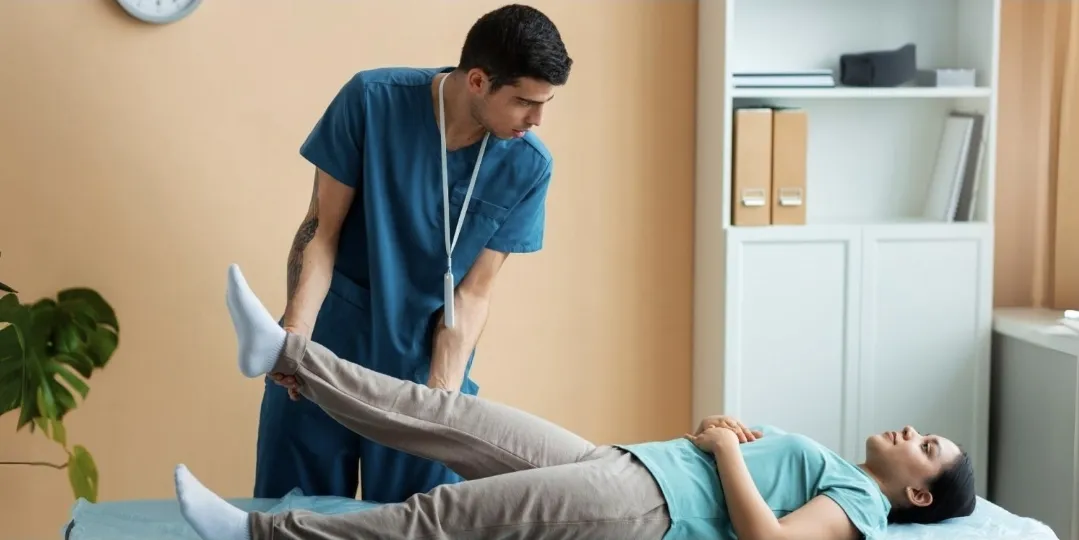
Effective non-surgical knee treatment usually starts with a detailed evaluation. That first visit often includes:
- A review of your health history and daily habits
- A hands-on exam of your knee and surrounding joints
- Posture and gait analysis to see how you move
- Imaging when needed to look at the joint more closely
The goal is to find out exactly where the pain is coming from. Knee pain may involve the joint surface, cartilage, ligaments, muscles, or it may even be referred from the hip or lower back. Once the source is clearer, a plan can be built around your specific needs and activity goals, not a one-size-fits-all protocol.
Chiropractic and biomechanical correction can play a large role. Gentle adjustments can help improve alignment in the spine, hips, and knees so that your knee is not taking on more pressure than it should. Soft tissue therapies can calm tight or overworked muscles, tendons, and ligaments around the knee. When needed, improving foot and ankle mechanics can also reduce the strain placed on your knees with every step.
Regenerative and rehabilitative therapies may be used to support your body’s natural healing processes in irritated tissues. Targeted exercise, stretching, and neuromuscular retraining can rebuild strength, stability, and balance so you feel safer on your feet. When hands-on care is paired with in-office therapies and simple home exercises, results are often more lasting than with passive care alone.
When to Choose Non-Surgical Care Before Considering Surgery
There are times when urgent medical care is the right move. Seek immediate attention if you have:
- A sudden severe injury and cannot put weight on the leg
- Obvious deformity or concern for a fracture
- A knee that locks, gives out completely, or will not straighten
In those situations, imaging and possibly surgery may be needed.
However, many people with chronic knee pain are not in that category. Situations that often respond well to non-surgical options include:
- Long-term, nagging pain from osteoarthritis, older sports injuries, or overuse
- Pain that flares with activity but settles some with rest
- Discomfort linked to poor movement patterns or misalignment
If you prefer a drug-free, function-focused approach and want to avoid or delay surgery, conservative care is often a smart first step. Evidence supports starting with non-invasive care for many knee problems. Even if you eventually need surgery, going in with stronger muscles, better joint control, and less inflammation can help your recovery.
For people looking at non-surgical knee treatment in St. Petersburg, a thorough consultation can help clarify what is happening in the joint and which options make the most sense before making big decisions about surgery.
Take the Next Step Toward Pain-Free Walking
Waiting until knee pain is unbearable often means a longer, harder path back to comfort. When you treat your pain as a message instead of a nuisance, you can take action while the joint still responds well to conservative care.
At Suncoast Integrative Healthcare in St. Petersburg, we focus on non-surgical, drug-free care for knee pain and other joint problems. Our team works to understand your daily life, your goals, and the specific causes behind your pain, then builds a plan to help you move with more confidence.
As spring activities fill your calendar, it is a good time to ask what your knees will let you enjoy. With the right support, you can work toward walking the waterfront, playing with kids or grandkids, or getting back to your favorite outdoor pastimes with less worry and more ease.
Take The First Step Toward Pain-Free Knees Today
If knee pain is limiting your mobility or keeping you from activities you enjoy, we are here to help you find a safer, conservative path forward. At Suncoast Integrative Healthcare, our team can evaluate your condition and recommend personalized options for non-surgical knee treatment in St. Petersburg.
To schedule your visit or ask questions about your symptoms, simply contact us and we will help you take the next step toward relief.

Next step
Talk with us about your care
Call (727) 519-3757 or request a visit — our St. Petersburg team is here to help.